Strachan 6811 and the War Over the Nap
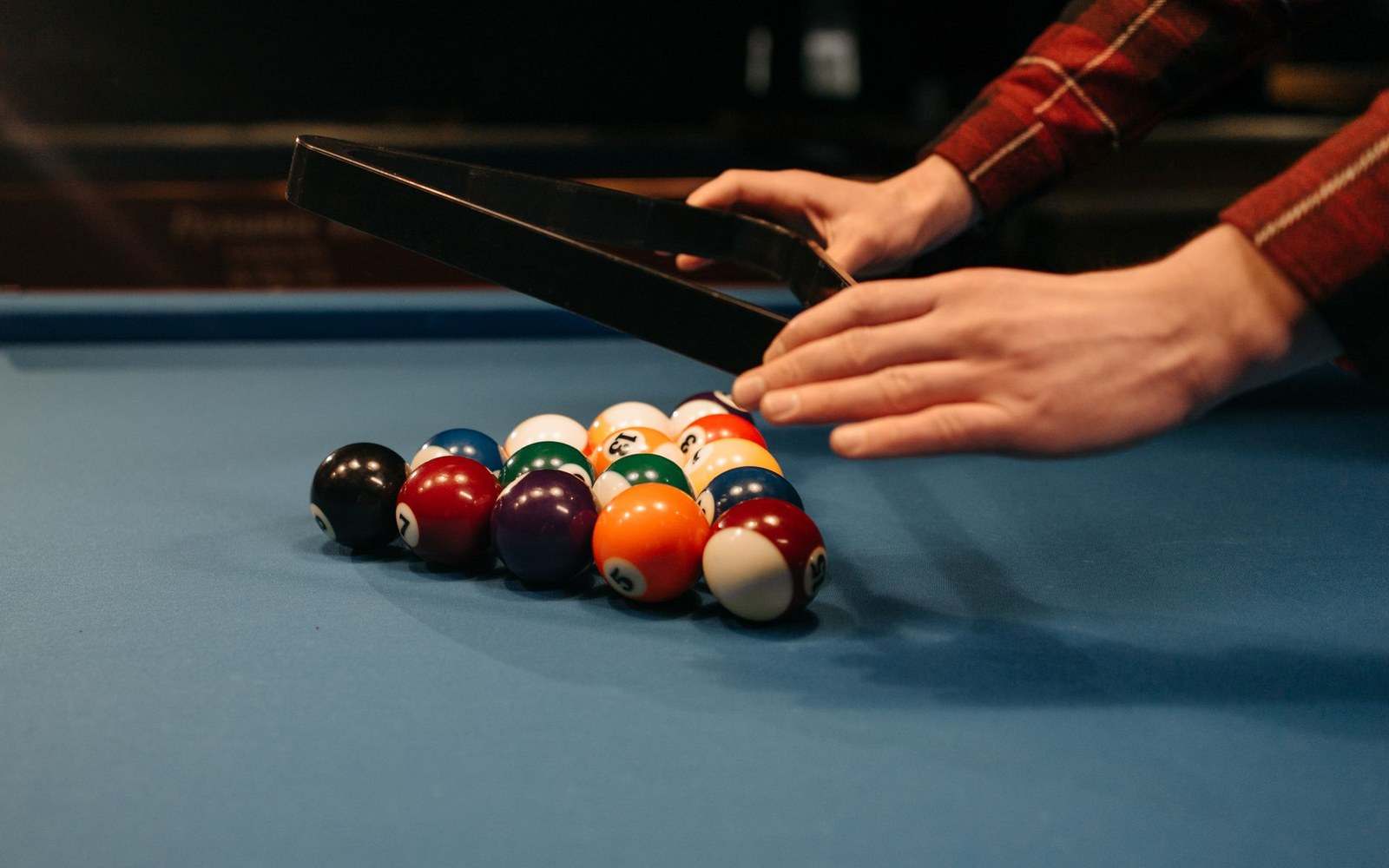
The nap runs from baulk to the top cushion, so the same shot plays differently in each direction.
Photo: Pavel Danilyuk / PexelsThe Two Names That Appear in Every Tournament Specification
Two cloth manufacturers supply virtually every ranking event on the World Snooker Tour: Strachan, whose 6811 West of England cloth has been the de facto standard for professional play for decades, and Hainsworth, the Leeds-based mill whose Smart Snooker cloth has been gaining ground on the circuit since the 2010s. The difference between them is not cosmetic. It is mechanical, and it determines the pace and trajectory of every safety shot played at a ranking event.
Both cloths are woven from fine Merino wool, but they differ in weight, pile density and, critically, the degree to which the nap — the directional grain of the cloth — is pronounced. On Strachan 6811, the nap is firm and consistent, producing a predictable speed differential between shots played with the grain and those played against it. A ball rolling with the nap runs freer and faster; the same pace applied against it dies sooner. For a player constructing a safety exchange — nudging the cue ball into a pocket of the table, forcing the opponent to play against the nap to reach the ball on — that asymmetry is not incidental. It is the mechanism.
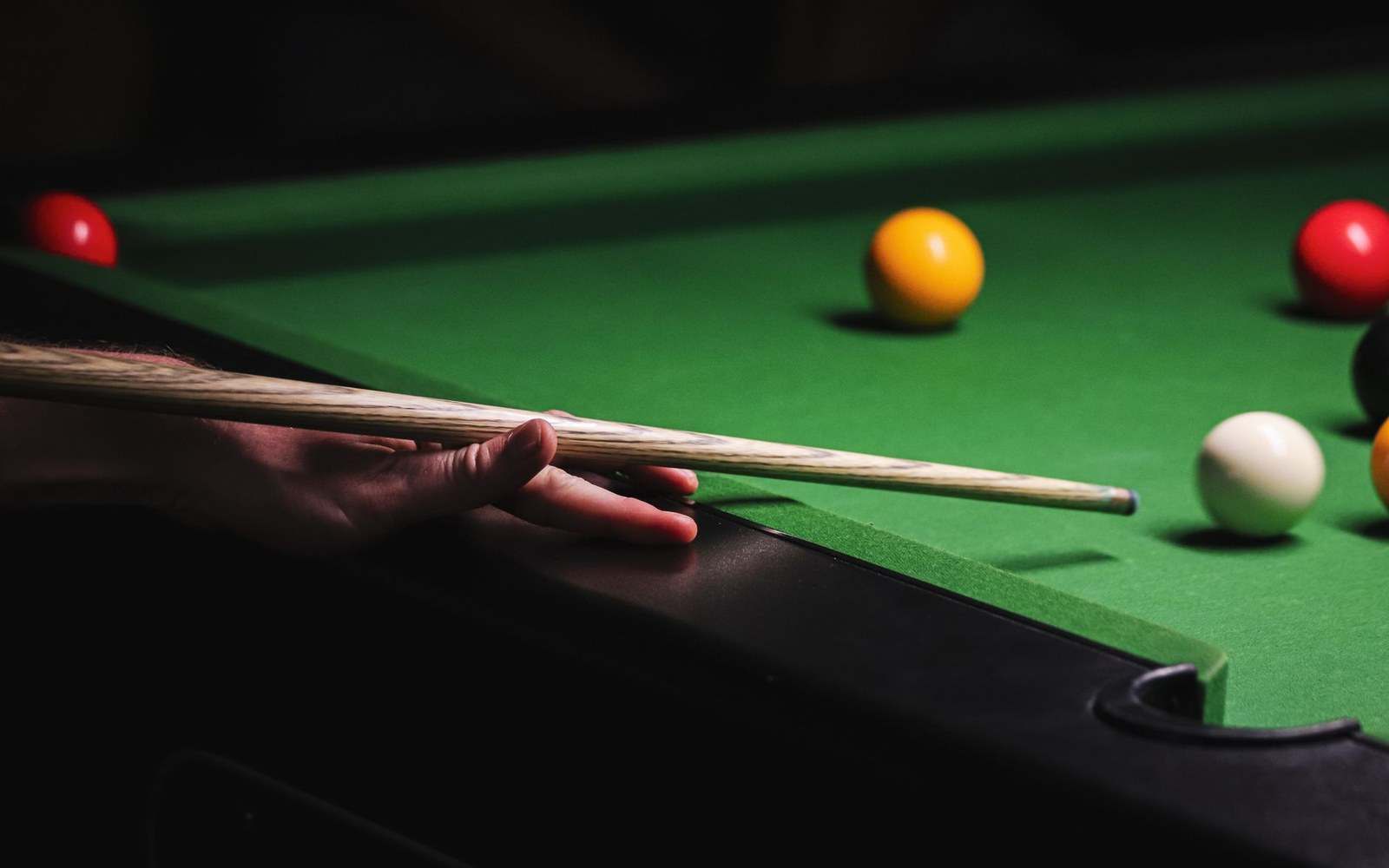
The bridge hand, where the shot is actually decided.
Photo: Boys in Bristol Photography / PexelsHainsworth's Smart Snooker cloth is lighter, and its pile sits at a lower, tighter profile. It plays faster overall and some professionals report that the nap differential is less severe, which can compress the gap between a delicate with-nap roll and a more aggressive cross-cloth safety. Whether that amounts to an advantage or a flattening of tactical range depends on the player; Strachan loyalists argue their cloth rewards the subtlest differences in pace judgement.
How the Specification Is Set — and Who Has the Final Say
The cloth specification for a ranking event is not left to the venue or the table supplier. The WPBSA and World Snooker Tour publish technical requirements that govern the table package, and cloth is part of that package. When Riley Leisure, Star Billiards or Rasson supplies tables to a tournament, the cloth brand and weight is either specified in the contract or agreed from a shortlist of approved options. Strachan 6811 has long been the default stated in those specifications, carrying the authority of the World Championship itself, where it has been installed at the Crucible Theatre in Sheffield for most of the modern era.
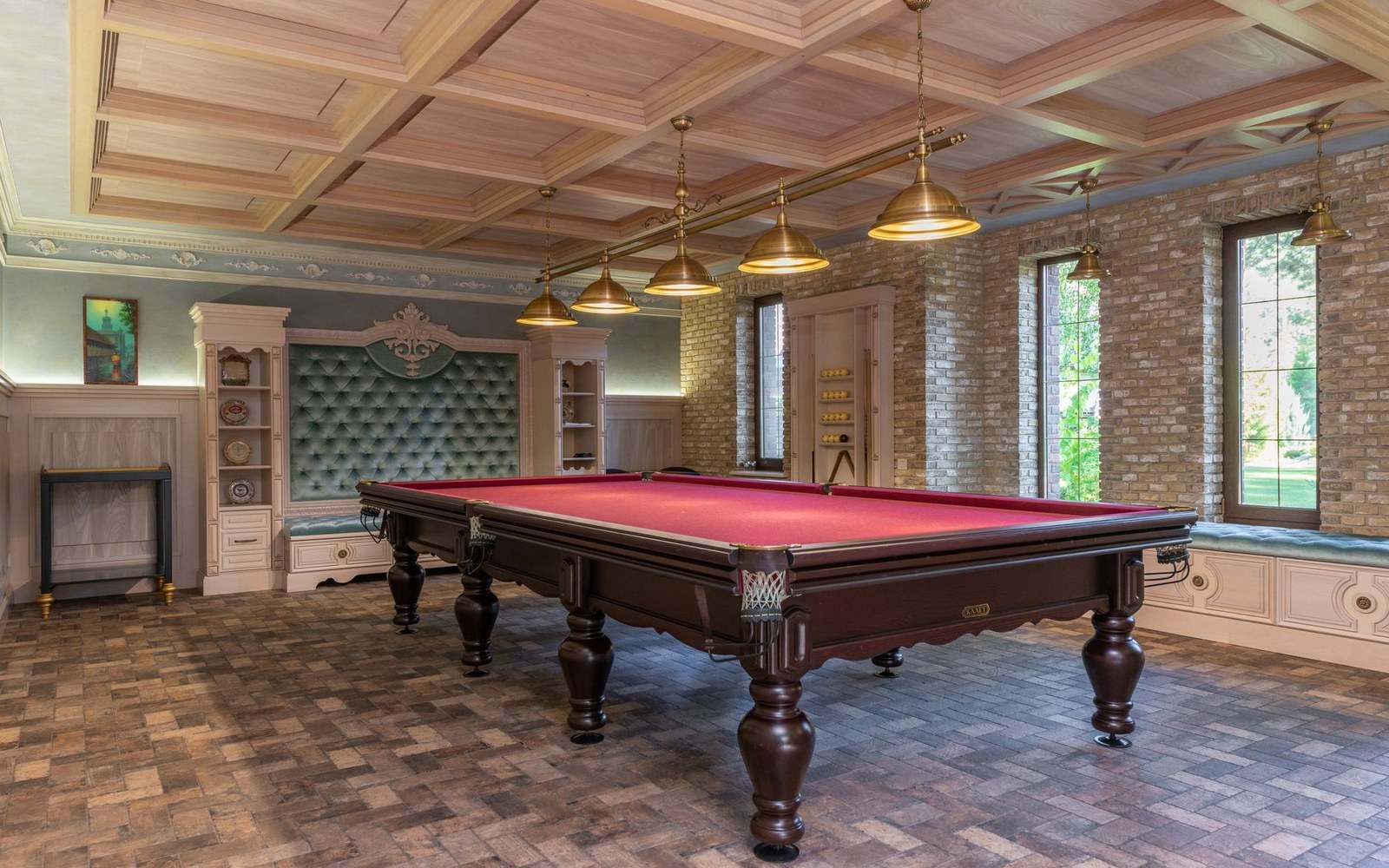
The bed arrives in three pieces because nobody can lift it in one, then it is bolted, shimmed and checked flat to within a fingernail.
Photo: Max Vakhtbovych / PexelsThe negotiation matters because cloth selection affects how the table package is priced and whether a manufacturer can meet the tolerance requirements. A full-size tournament table uses Italian slate machined to sub-millimetre flatness, and the cloth laid over it has to conform without bubbles, joints or variation in tension between the three slate sections. Tournament cloths are replaced regularly during long events — the World Championship runs seventeen days — and the logistics of maintaining consistent nap direction across multiple re-clothings is part of what the specification controls.
Hainsworth has supplied cloth at European Tour events and has been fitted at some major venues outside the Crucible. The competition has not displaced Strachan 6811 from the top of the hierarchy, but it has made the specification a genuine conversation rather than a foregone conclusion. Taom, the Finnish company better known for its low-residue cue-tip chalk, has also produced a tournament cloth, though it has not yet reached the ranking-event mainstream.
What the cloth debate ultimately turns on is reproducibility. Professionals who spend eleven months of the year playing on one surface want the World Championship to feel like an extension of the tour, not a departure from it. When Strachan 6811 is specified throughout, the nap behaves the same way in April in Sheffield as it did in December in the UK Championship. That continuity — more than any single property of the cloth itself — is the reason the 6811 has held its position, and why any challenger faces a standard that is partly technical and partly institutional.