Safety Play Is How Tournaments Are Won, and It Is the Least Televised Part of the Sport
The shot that decides a frame is almost never the pot. It is the third safety in a row that made the pot possible.
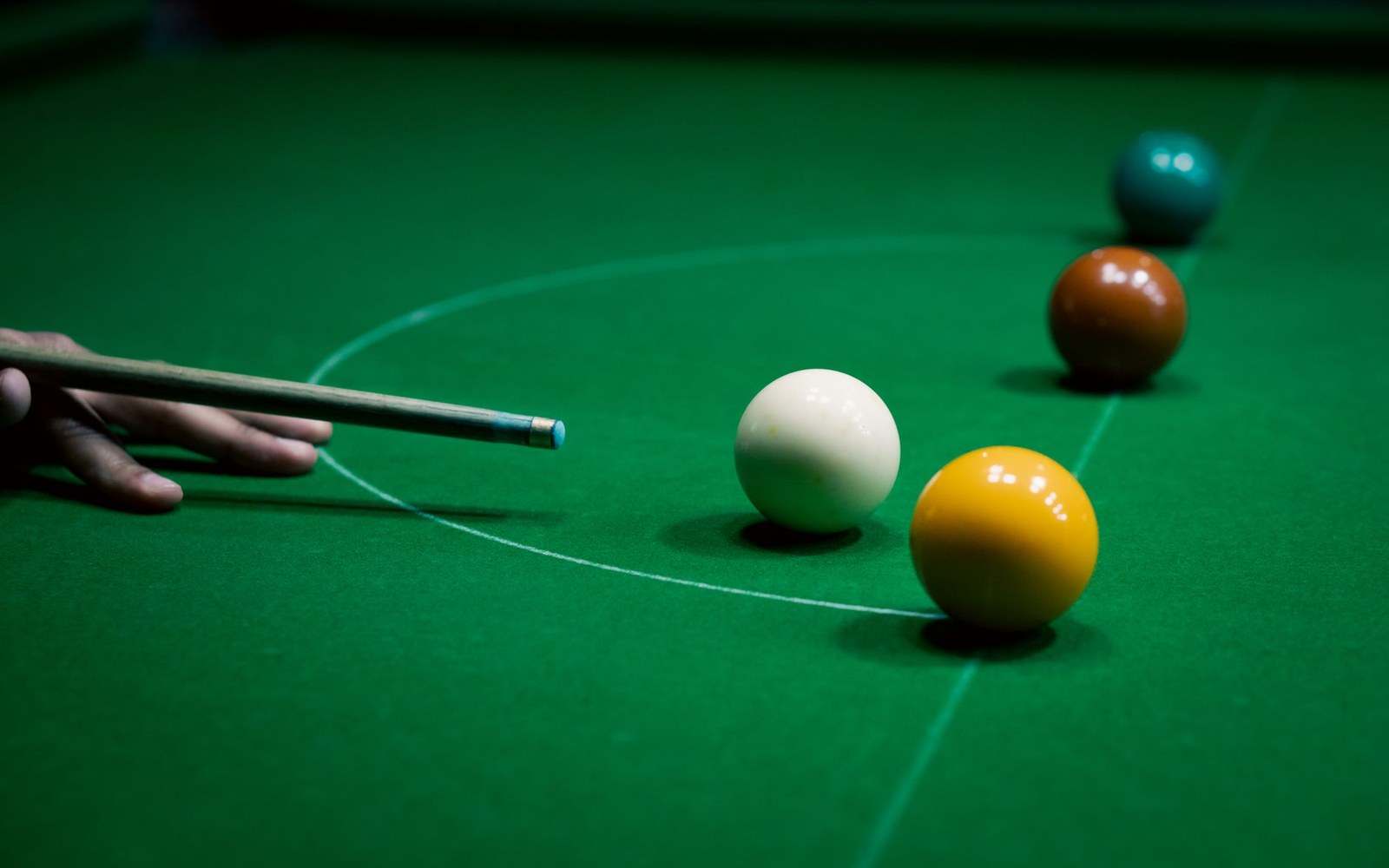
The tactical exchanges that decide most frames are the part television compresses.
Photo: Qamar Rehman / PexelsThe Invisible Architecture of a Professional Frame
A maximum break takes around twelve minutes and produces 147 points from thirty-six consecutive shots. A frame won through attrition — safety exchange, snooker laid, opponent in trouble, penalty points accumulated, one red eventually potted from the position the safety created — can take the same time and yield a winning score of forty. Television covers both. It lingers on the century, cuts the safety sequence to a highlight, and in doing so presents professional snooker as a game about potting. The players know differently.
Frame data from WST ranking events consistently shows that safety play exchanges account for the majority of shots played in professional matches, with century breaks — the metric most commonly used to rank playing ability — arising from positions that tactical play has created. A break does not begin when the player addresses the cue ball; it begins three shots earlier, when the opponent was left behind the brown with nowhere to go.
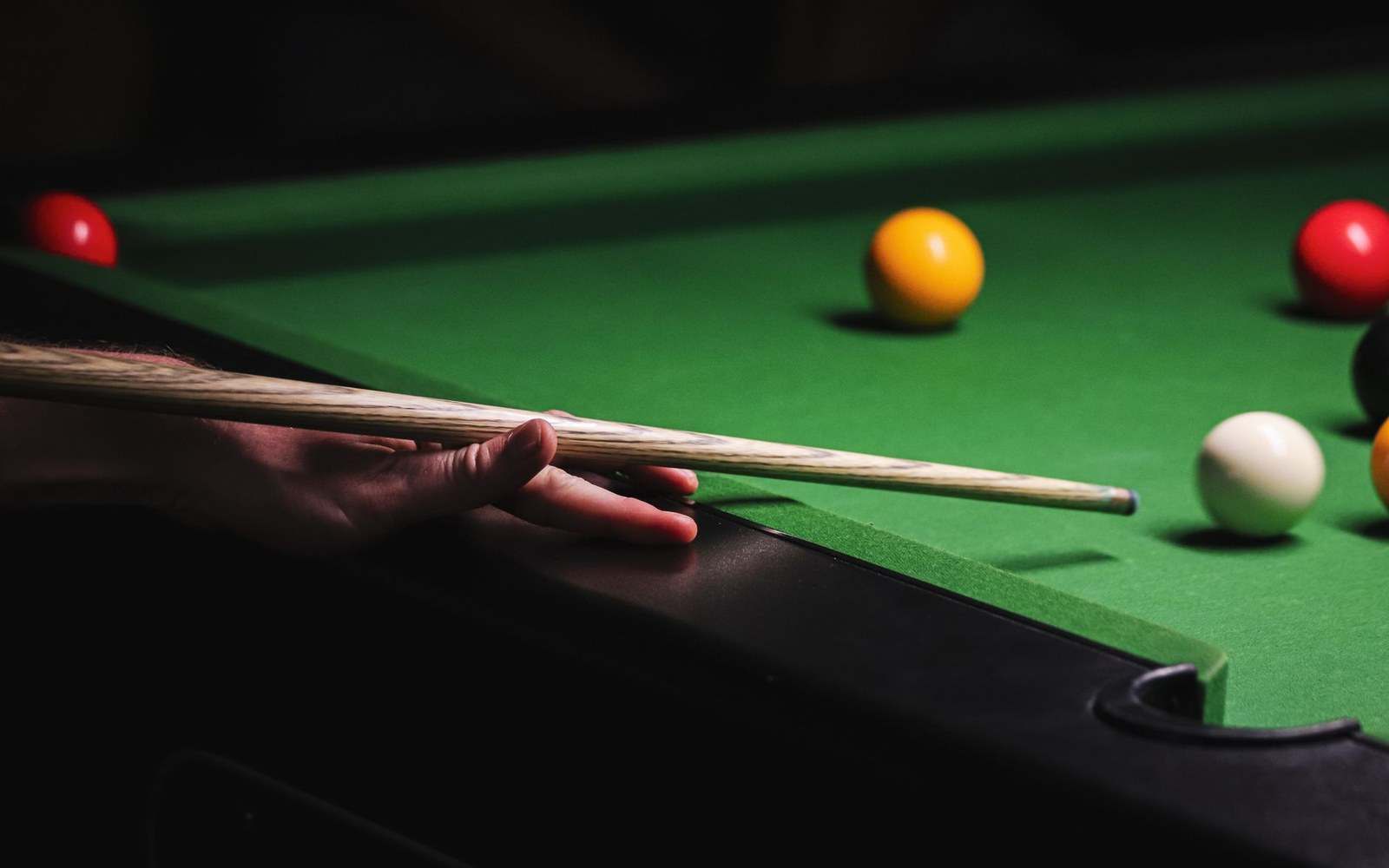
The bridge hand, where the shot is actually decided.
Photo: Boys in Bristol Photography / PexelsMark Selby built a world ranking that reached number one not primarily on century count — his tally is modest by the standards of Neil Robertson or Judd Trump — but on a defensive game so thorough that opponents frequently ran out of time and patience before they ran out of balls. His four World Championship titles at the Crucible were ground out in frames where the safety exchange was the contest, and the pot that followed was almost administrative.
John Higgins, with four world titles spread across three decades, plays in a manner that makes the point from the opposite direction: his tactical game is elegant enough that broadcasters occasionally show it, because the geometry of a Higgins safety — cue ball tucked against the bottom cushion, red frozen on the top — looks like artistry rather than attrition. It is both. The effect is the same: the opponent is denied.
Frame scores mid-session.
Photo: Element5 Digital / PexelsWhat the Numbers Confirm and What the Camera Omits
Published World Snooker statistics show that average frame duration at the World Championship has remained well above fifteen minutes for years, while average breaks remain far below fifty. That gap — between the time a frame takes and what potting alone can account for — is the safety exchange. It is not nothing. It is most of the match.
The problem for television is structural. A safety exchange has no natural visual climax. A pot drops into a pocket; a safety that works does not. The opponent walks to the table, surveys the position, puts the cue ball back in an equally awkward place, and the two players rotate. The skill is real — reading the nap of the Strachan cloth, judging the pace precisely enough that the cue ball finishes on the cushion rather than six inches off it, knowing which red to use and which to leave — but none of it produces a moment. It produces a position, and positions are hard to broadcast.
BBC coverage has historically cut from the safety exchange to the ensuing break with minimal explanation of what created the opportunity. Streaming coverage on platforms like Discovery+ offers more uninterrupted play, and dedicated followers of players like Kyren Wilson — who won the 2024 World Championship on a game built substantially around tactical precision — will recognise that what the highlights show and what the match actually was are different things.
Zhao Xintong, returning from a twenty-month suspension to win the 2025 World Championship through four qualifying rounds, was widely discussed in terms of his potting — the long pots, the high-break count. The frames he won when the table was dry, by patience rather than brilliance, attracted no particular commentary. They were also the frames that won the tournament.
The century break is the sport's canonical statistic because it is visible and countable. Safety play is neither. But every professional player competing in a ranking event understands that the player who controls the cue ball without scoring — who makes the opponent come to the table already beaten — wins more matches than the one who simply makes more centuries. The television record disagrees, silently, every time it cuts to the next pot.