Taom Came Out of Finland and Changed What Goes on the Tip
A chalk formulated to leave less on the cloth than traditional chalk quietly became a genuine talking point in tournament play.
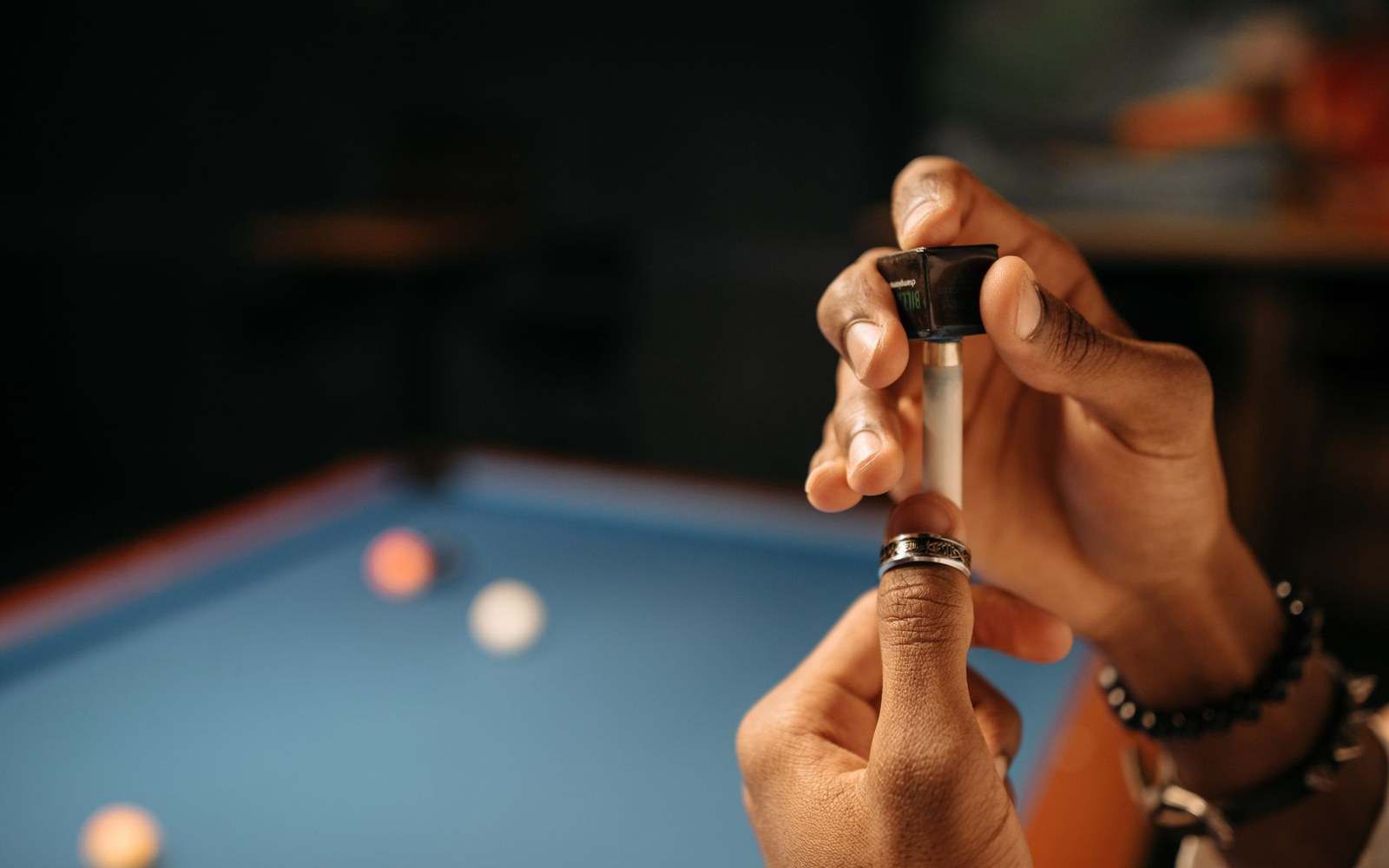
Chalk goes on the tip before almost every shot; the tour changed which chalk in the 2010s.
Photo: Pavel Danilyuk / PexelsFrom Helsinki to the Cloth
Traditional cue-tip chalk — the compressed cube format that has sat beside every professional snooker table for decades — leaves a measurable blue residue on the baize with each application. At a multi-session ranking event, that scatter accumulates visibly around the blue and pink spots and along the baulk cushion, affecting the pace and trueness of the nap in precisely the areas of heaviest play. Tournament referees and cloth suppliers have always known this; until recently, there was simply no practical alternative.
Taom, a Finnish company, changed the calculation. Their chalk — formulated with a different binder chemistry from the magnesium carbonate compounds that dominate the market — leaves significantly less powdery residue on the cloth surface without compromising the friction between tip and cue ball that players require to apply side or screw. The product reached the professional tour not through any official WST equipment contract but through individual player adoption, which gave the shift an organic quality unusual in a sport where table, cloth and ball specifications are tightly governed by centralised procurement.
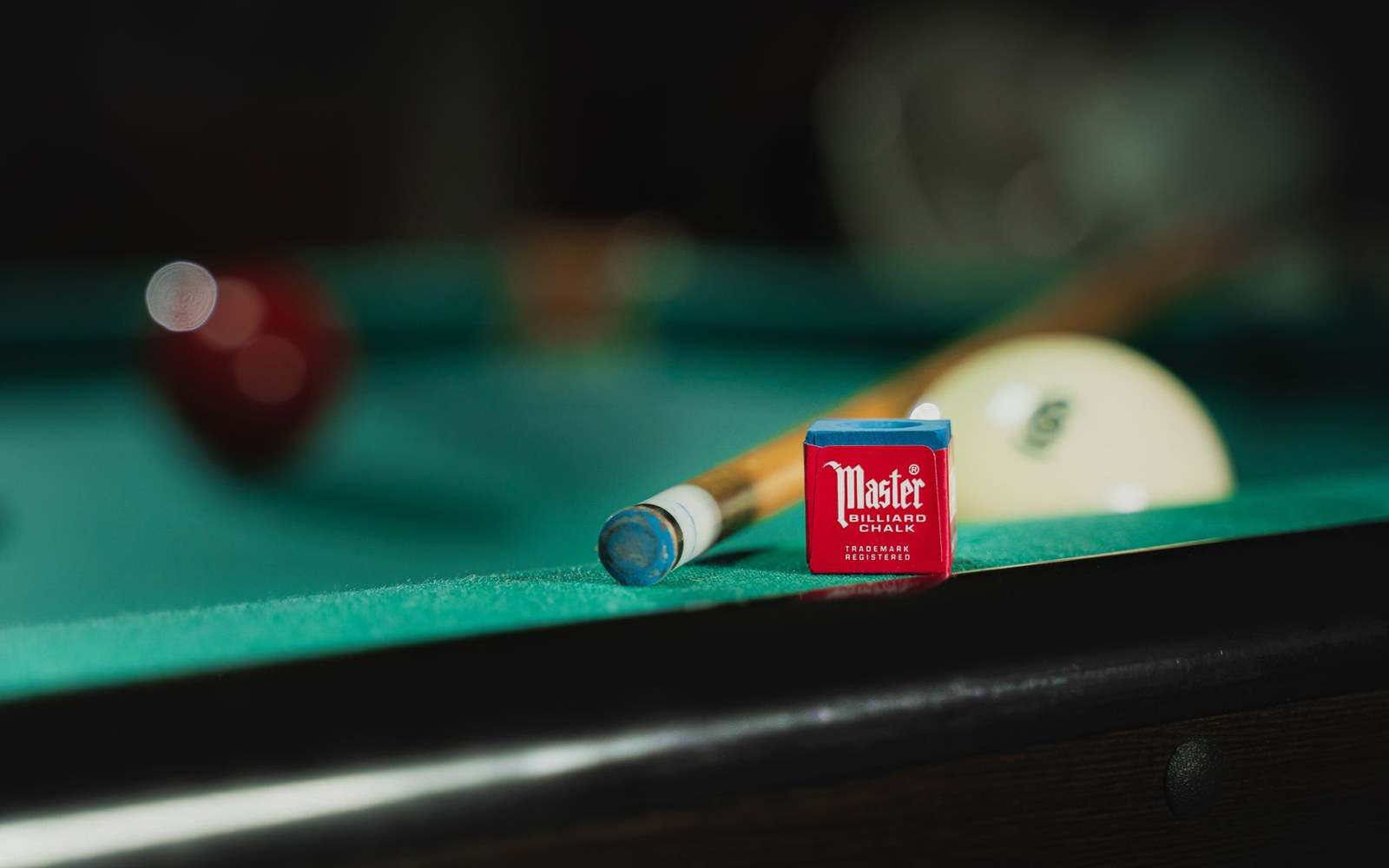
Chalk worn to a cup.
Photo: Alex Urezkov / Pexels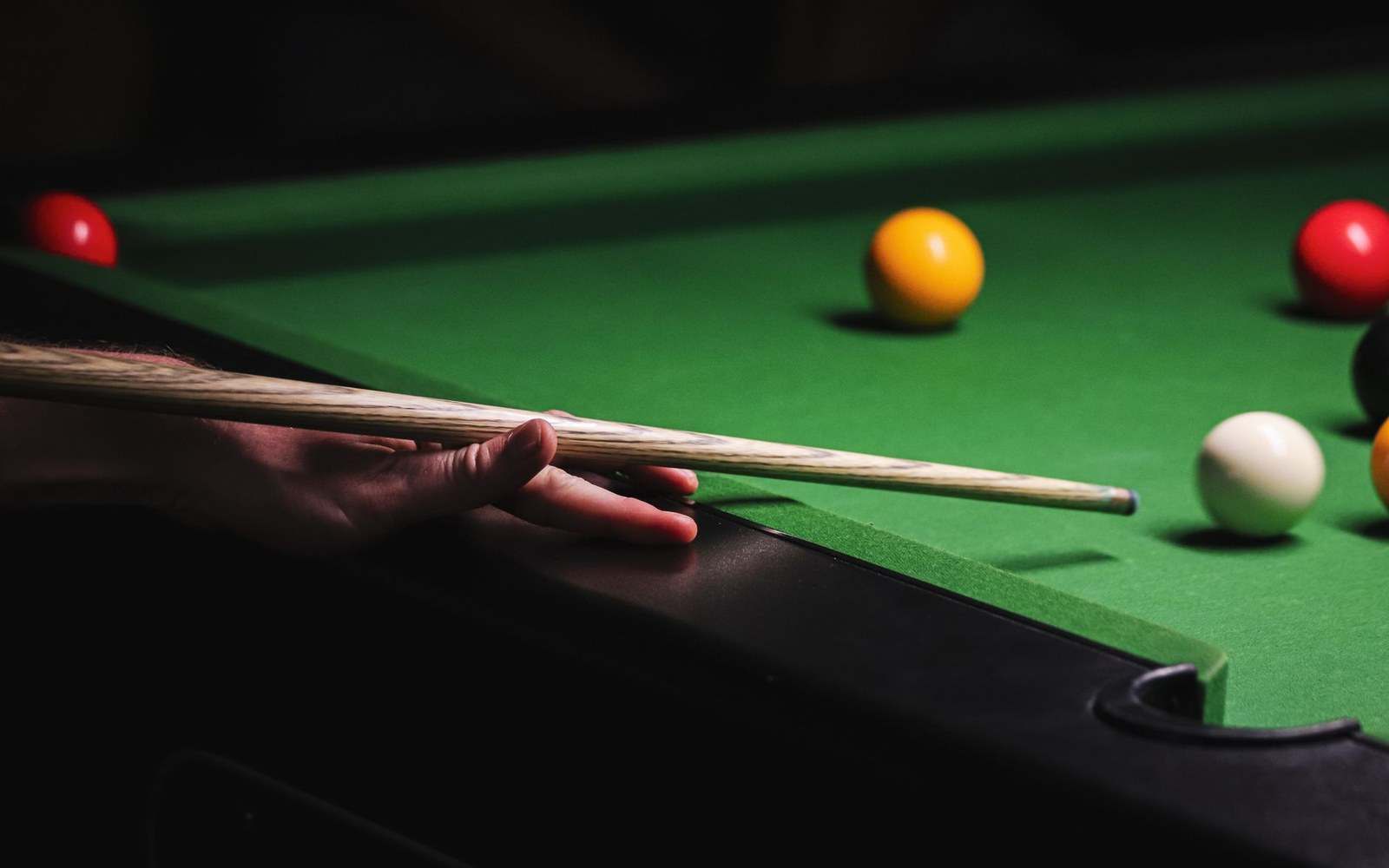
The bridge hand, where the shot is actually decided.
Photo: Boys in Bristol Photography / PexelsRonnie O'Sullivan was among the early high-profile adopters on the professional circuit, and his use of Taom accelerated its visibility substantially. Other tour professionals followed. The WPBSA did not mandate the chalk, meaning players may use their preferred brand at ranking events, and Taom capitalised on that permissive clause. By the time the product had established itself as a genuine tour presence, referees at major events were reporting cleaner cloth conditions over longer sessions than the old chalk economy had typically delivered.
The chalk's Finnish origin — manufactured in Helsinki — made it an unlikely entrant into a professional supply chain dominated by British and Belgian equipment. That it arrived through player preference rather than official tournament supply demonstrates how equipment change on the WST tour still sometimes happens: one professional picks it up, a second watches, and a category shifts.