Neil Robertson's Century Count and What That Number Actually Measures
The Australian has made more competitive centuries than almost anyone alive. What the statistic rewards — and what it quietly ignores.
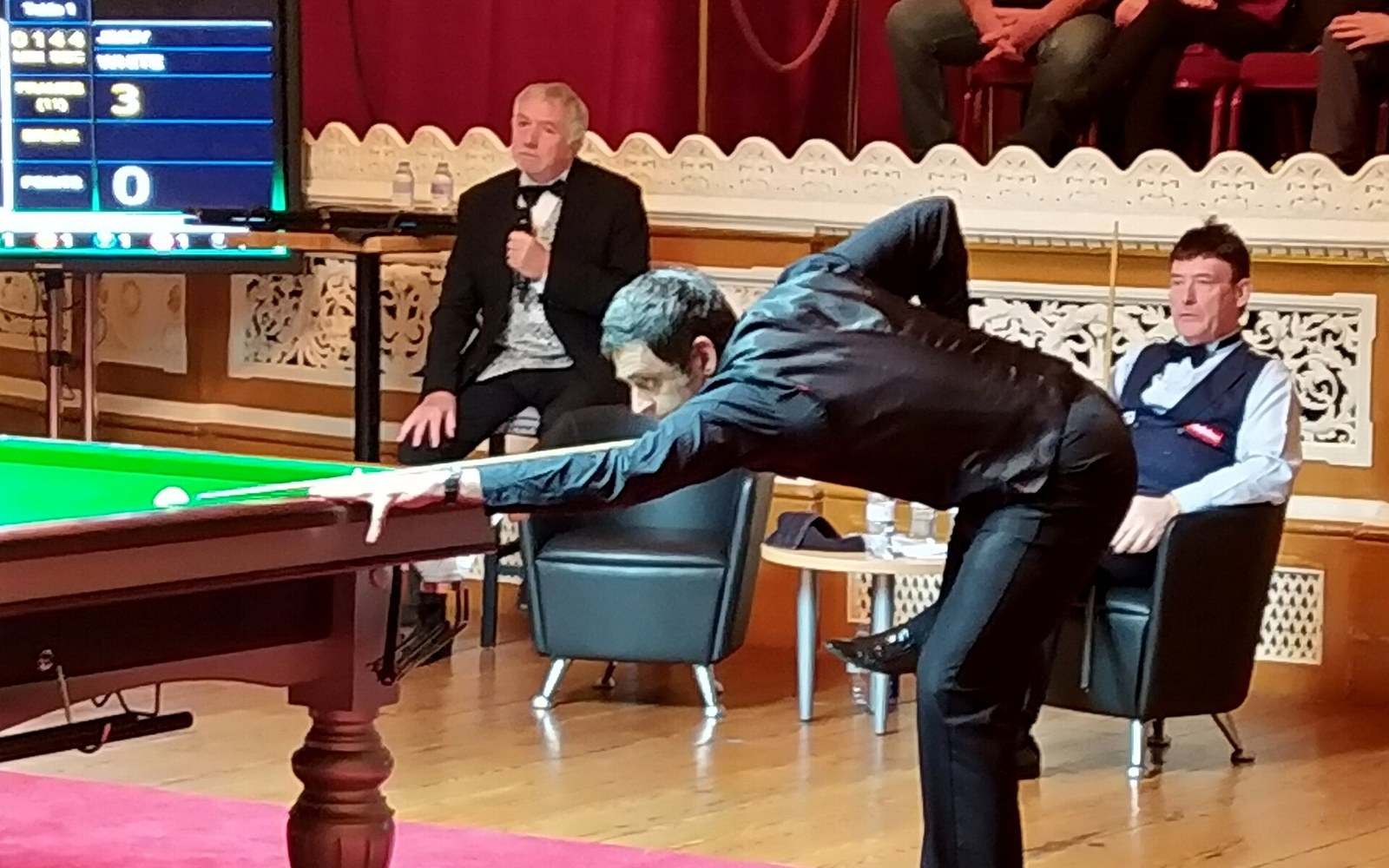
More competitive centuries than any player except O'Sullivan.
Photo: Ronnie O'Sullivan at the Merseyside Masters 2022 · Wikimedia CommonsA Number That Flatters One Kind of Player
Neil Robertson sits second on the all-time competitive century break list, behind only Ronnie O'Sullivan. The count is deep into the hundreds, and it climbs every season. To the casual reader it signals greatness. To a trade observer it signals something more precise: Robertson is a positional player of exceptional consistency, one who routinely converts medium-difficulty openings into full-length scoring visits rather than settling for the forty or fifty that a more risk-averse tactician might take.
A century requires 100 consecutive points without a miss. It does not require that the break win a frame, rescue a session, or arrive under any particular pressure. What it rewards is the combination of potting accuracy and cue-ball control that allows a player to keep scoring once he has started — qualities Robertson possesses to a degree that most contemporaries simply do not. His long potting, particularly from distance across the diagonal of the table, is documented as among the most reliable on the WST circuit.
Frame scores mid-session.
Photo: Element5 Digital / Pexels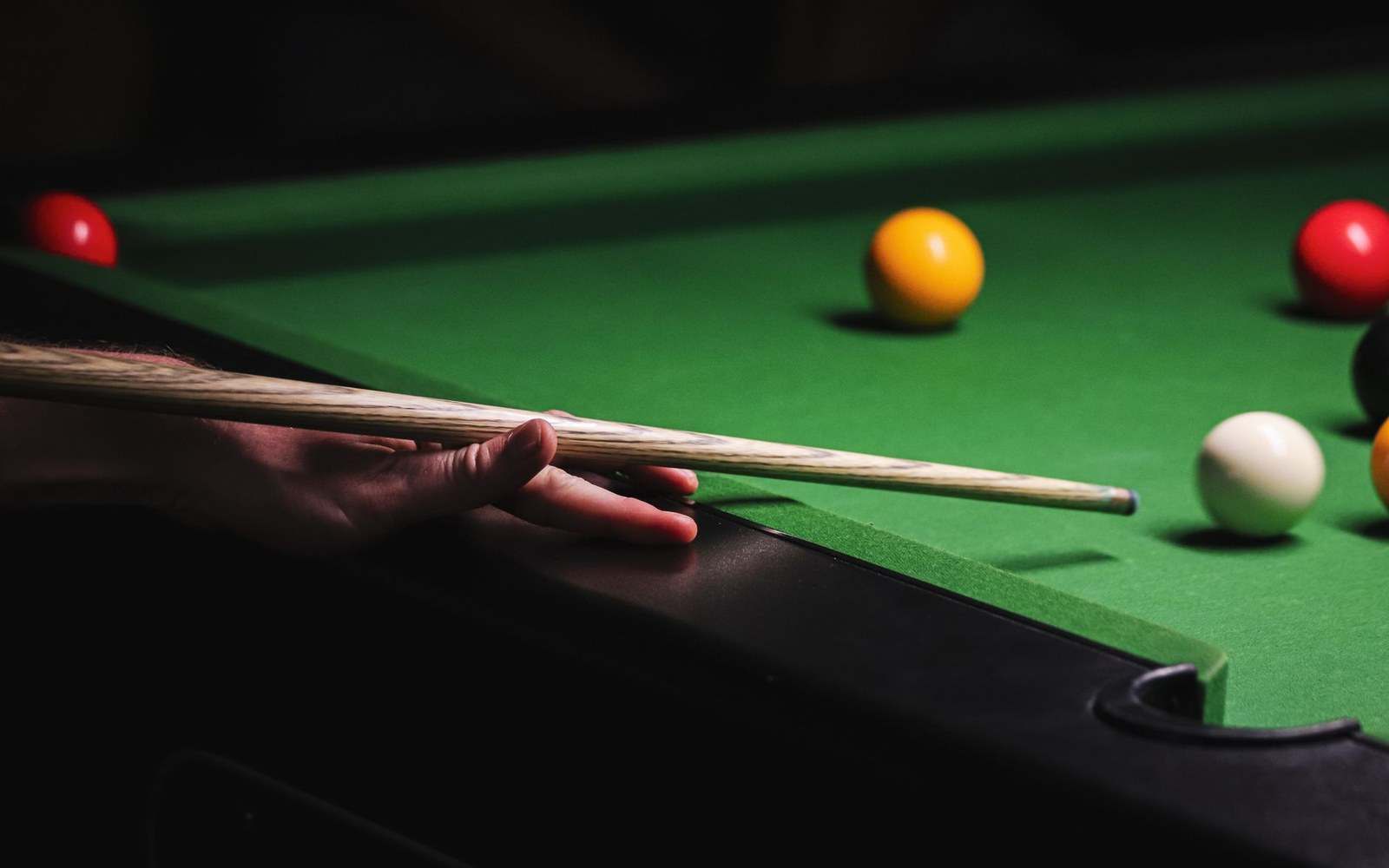
The bridge hand, where the shot is actually decided.
Photo: Boys in Bristol Photography / PexelsThe statistic has a structural bias worth noting. An attacking player who scores in big visits accumulates centuries faster than a safety-first competitor who wins frames in the fifties and sixties. Mark Selby has held the world number one ranking and won four world titles; his century rate is a fraction of Robertson's. That gap reflects style, not a hierarchy of talent. Selby wins frames Robertson might not; Robertson makes centuries in frames Selby might never open up.
What Robertson's count does confirm, beyond style, is longevity under professional conditions. He first turned professional in 1998 and, after two early spells that ended in relegation, has held a tour card continuously since the early 2000s. The 2010 World Championship title at the Crucible remains his marquee result, but the century record is the statistical evidence of a career spent at the game's highest level — consistently competitive, consistently attacking, and consistently counted.