Seven Titles, and a Decade of Saying the Calendar Is Broken
The most decorated player in World Championship history has spent years telling anyone who will listen that the tournament schedule is too long. Both things are true at once.
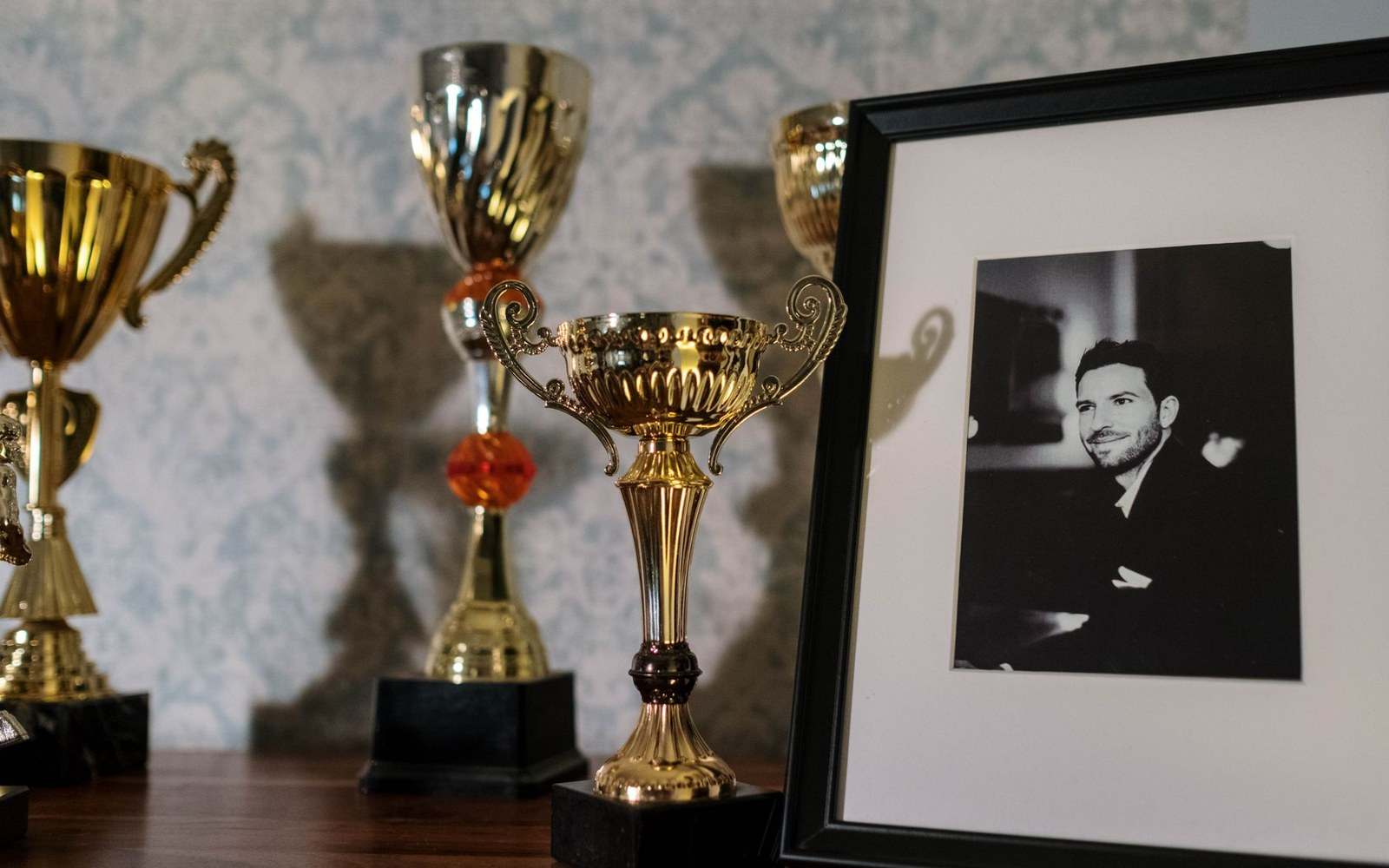
Seven world titles, and ten years of on-record complaints about the size of the calendar.
Photo: cottonbro studio / PexelsThe Record Speaks First
Ronnie O'Sullivan's seven World Championship titles at the Crucible Theatre, Sheffield — won in 2001, 2004, 2008, 2012, 2013, 2020 and 2022 — place him above every player in the professional era and level with Joe Davis, who accumulated his seven before the tournament took its modern form. The comparison with Davis requires serious qualification: Davis dominated an era of limited competition, amateur conditions and no ranking system. O'Sullivan's seven came against fields that included John Higgins, Mark Selby, Judd Trump and Neil Robertson, during decades when the ranking-event schedule expanded to cover multiple continents and the prize money at the top increased substantially following Barry Hearn's takeover of the WPBSA's commercial arm in 2010.
His century break total, his maximum breaks in competition, his peak-period winning percentages — none of them are in serious dispute. The argument around O'Sullivan has never been whether he is extraordinary. It is whether he has chosen to show up.
Frame scores mid-session.
Photo: Element5 Digital / PexelsThe Withdrawals and the On-Record Complaints
O'Sullivan has withdrawn from, declined or publicly questioned the value of ranking events at irregular intervals since at least the early 2010s. He has described the tour calendar as exhausting, the points structure as poorly calibrated and the volume of events as damaging to the quality of play at the top. These are not passing remarks: they have appeared in press conferences, pre-match interviews and, on several occasions, in comments made immediately after winning tournaments. The position has been consistent enough that the snooker press now treats it as a fixture of the circuit rather than a fresh controversy.
The tension is legible in the record. A player who competes in fewer ranking events than peers accumulates fewer ranking points, which means his world ranking — already complicated by the sport's two-year rolling format — has not always reflected what most observers regard as his actual ability. For extended periods he has sat outside the top four on the official list while being widely considered the most dangerous match-play competitor on the tour. The tour card and ranking system does not carry an exemption for genius.

Three players entered the professional tour in 1992 and all three still hold ranking wins.
Photo: Ketut Subiyanto / PexelsHis arguments about the schedule are not without supporters among administrators and other players. The expansion of the calendar under Matchroom and the WPBSA has brought more events to more territories — China, the Middle East, Europe — but the physical and logistical toll on a touring professional is real and documented in players' public statements across the board. What distinguishes O'Sullivan is not the complaint itself but his willingness to repeat it at volume, in front of cameras, while simultaneously holding the sport's most celebrated record.
What the Tension Actually Looks Like
Set the two things beside each other without editorialising and the picture is specific. A player who finds the ranking schedule excessive has nonetheless contested every World Championship with evident commitment, won seven of them across a twenty-one-year span, and treated the Crucible as a categorically different proposition from the rest of the calendar. That distinction — Crucible serious, rest of the season negotiable — is not a hypocrisy so much as a stated preference that the record bears out.
It does mean the schedule critique carries an asterisk. When O'Sullivan argues that too many ranking events dilute the sport, he is making that argument from a position of selective participation that others on the tour cannot afford. A player outside the top thirty-two who skips ranking events loses ranking points and, eventually, his tour card. O'Sullivan's standing means the consequences for him are different. He can afford the opinion in a way that most professionals cannot, and that asymmetry is part of why the argument never quite resolves.
The Crucible's future beyond its current contract remains unsettled, which gives the tension a sharper edge. If the World Championship moves or changes format, the ground on which O'Sullivan has chosen to make his stand shifts with it. Seven titles secured at one address is a record with a very specific postcode.