Ash Versus Maple, and Why Most Professionals Have Already Decided
The shaft material debate is largely settled on the professional tour — just not in the way English tradition would have predicted.
Ash splices and maple shafts, and a preference most professionals settled years ago.
Photo: Digital Buggu / PexelsThe Shift That Happened Quietly
For most of snooker's professional history, the ash-spliced cue was the default. English ash, cut with a visible grain and typically lighter in the tip end, gave players a familiar flex and a feedback they trusted. Joe Davis played ash. So did the generation that followed him into the Crucible era.
The move toward maple accelerated through the 2000s and 2010s, driven partly by the influx of Chinese players — Ding Junhui arrived on tour in 2003 already using maple, having learned on equipment common to the Asian market — and partly by a shift in what the modern professional game demands. Maple shafts are denser and more uniform; the grain is tighter and the shaft deflects less on off-centre striking. For players building their game around precise long potting and heavy topspin, that consistency is an advantage.
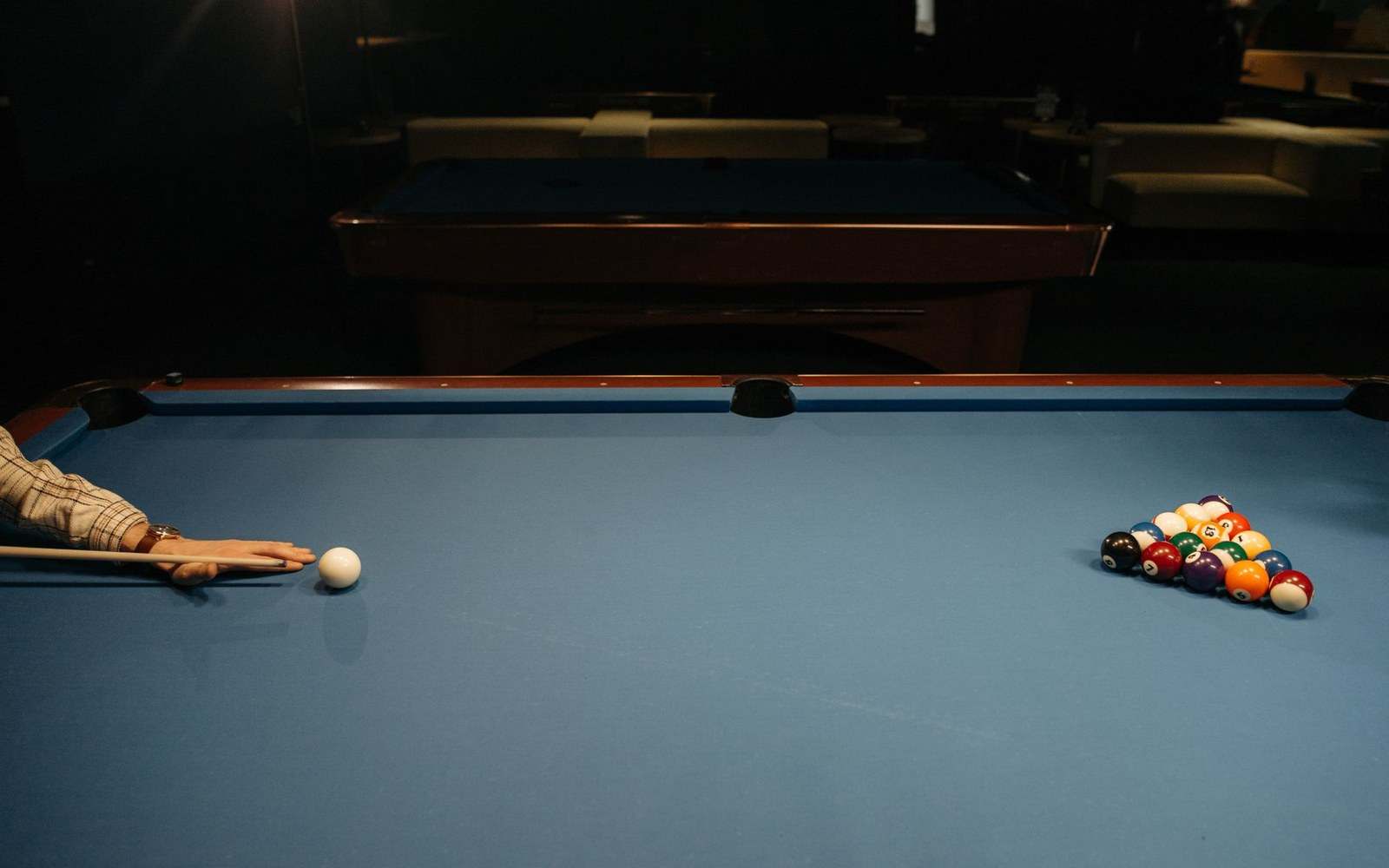
House cues, which is what most players learn on.
Photo: Pavel Danilyuk / Pexels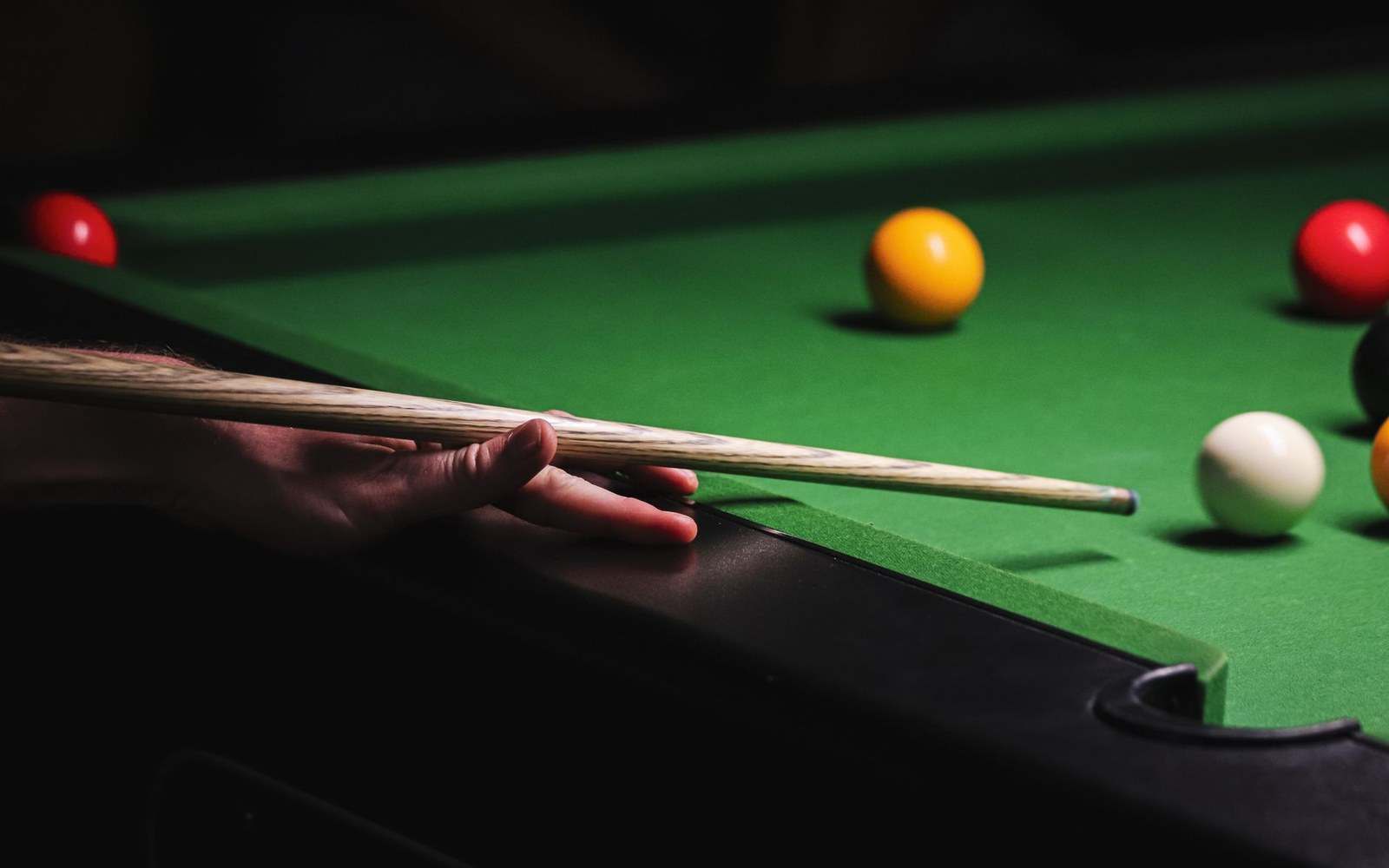
The bridge hand, where the shot is actually decided.
Photo: Boys in Bristol Photography / PexelsBy the mid-2010s, several prominent players had switched or had never used ash at all. The balance of preference on the professional tour now sits clearly with maple for new entrants, though ash retains committed advocates. Mark Selby and John Higgins have both been associated with ash-spliced cues for significant parts of their careers. The choice is not random: it tends to correlate with when and where a player learned the game.
Tip Hardness and the Material Question
The shaft material argument cannot be separated from tip choice. A soft tip on a maple shaft behaves differently than the same tip on ash because the shaft's stiffness determines how much energy transfers into the tip at the moment of contact. Players who favour harder tips — and the professional tour has shifted toward firmer chalk-and-tip combinations in recent years — tend to find maple more compatible, since the stiffer shaft gives a firm, consistent response that suits the controlled contact of a hard tip. A soft tip on a very stiff maple cue can produce a harsh, unpredictable contact; many players using ash retain softer layered tips precisely because the shaft's give compensates.
There is no WST equipment regulation that specifies shaft material. The WPBSA's equipment rules govern cue dimensions and tip legality, not the wood used in the shaft. The market, not the rulebook, has settled this argument — and it has settled it in maple's favour.