Nine Hundred and Eighty Seats, and a Contract That Runs Out in 2027
The Crucible's deal with the WST ends in two years. The theatre is too small, the landlord is cautious, and nobody has said publicly where the championship goes next.
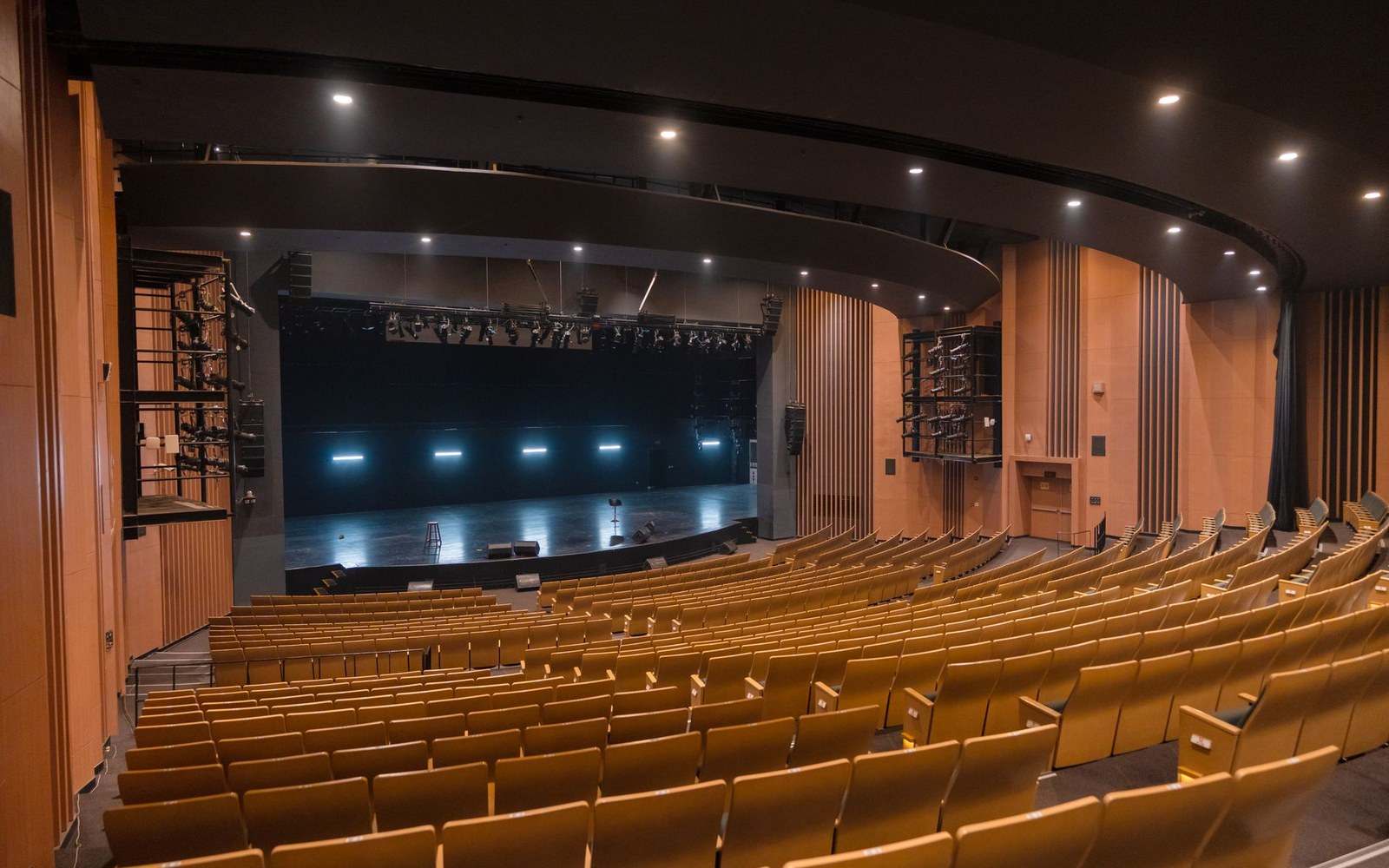
The smallest auditorium hosting a world final in any major sport.
Photo: Arto Suraj / PexelsThe Smallest World Final in Major Sport
The Crucible Theatre in Sheffield holds 980 people when it is configured for snooker. That number is not a quirk of scheduling or a temporary constraint; it is the physical limit of the building. The auditorium was designed for drama on a thrust stage, opened in 1971, and was never intended to accommodate a sporting audience of any size. When the World Snooker Championship moved there in 1977, it was understood as a television decision as much as a venue decision — a compact, intimate space that cameras could fill with atmosphere even when the crowd was small. Forty-eight years later, the intimacy is part of the brand. It is also, depending on who is speaking, either the championship's irreplaceable quality or the ceiling on its commercial future.
No world final in any mainstream professional sport is held in a venue of comparable size. The All England Club seats roughly fifteen thousand for Centre Court; Madison Square Garden holds more than twenty thousand. Even the Masters at Augusta National, famously restrictive about attendance, admits patrons in numbers that dwarf the Crucible. The 980-seat figure is cited by WST and its commercial partners whenever the question of venue revenue comes up, because it defines the upper limit of every gate calculation. Ticket demand for the Crucible final has consistently outrun supply for decades; the waiting list for tickets is not a marketing claim but a documented operational reality for Sheffield's box office.
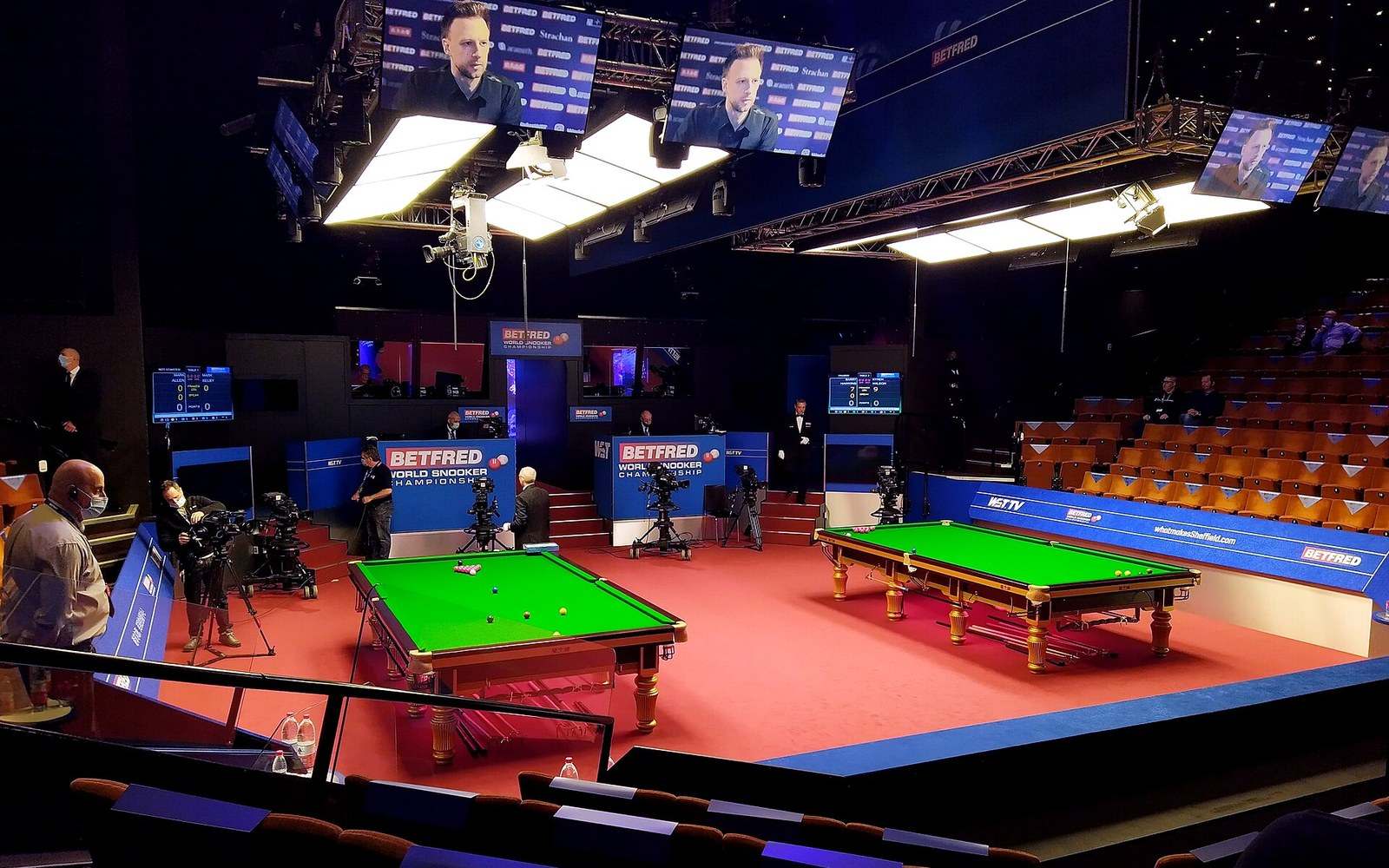
Two tables, a divider between them until the quarter-finals, and 980 seats around them.
Photo: 2021 World Snooker Championship table setup · Wikimedia CommonsWhat Has Been Said, and What Has Not
The current contract between the WPBSA and Sheffield City Council, mediated through the Crucible's management, runs to 2027. Neither party has announced a renewal. Sheffield City Council has made its public position clear through statements reported in local and national press: the council values the championship as an economic event — estimates of its annual contribution to the Sheffield economy have been cited in published council communications — and has indicated it would support efforts to keep the event in the city. What the council has not done is announce new terms, a new venue, or a financial commitment to infrastructure changes at the Crucible itself.
The WST, now operating under the Matchroom Sport commercial arrangement that Barry Hearn formalised from 2010, has been equally careful. Executives have said in public that Sheffield and the Crucible remain the preferred home of the championship. They have also said, without contradiction, that a venue capable of holding more spectators would generate meaningfully more revenue. Those two positions are not incompatible; they are also not a plan.
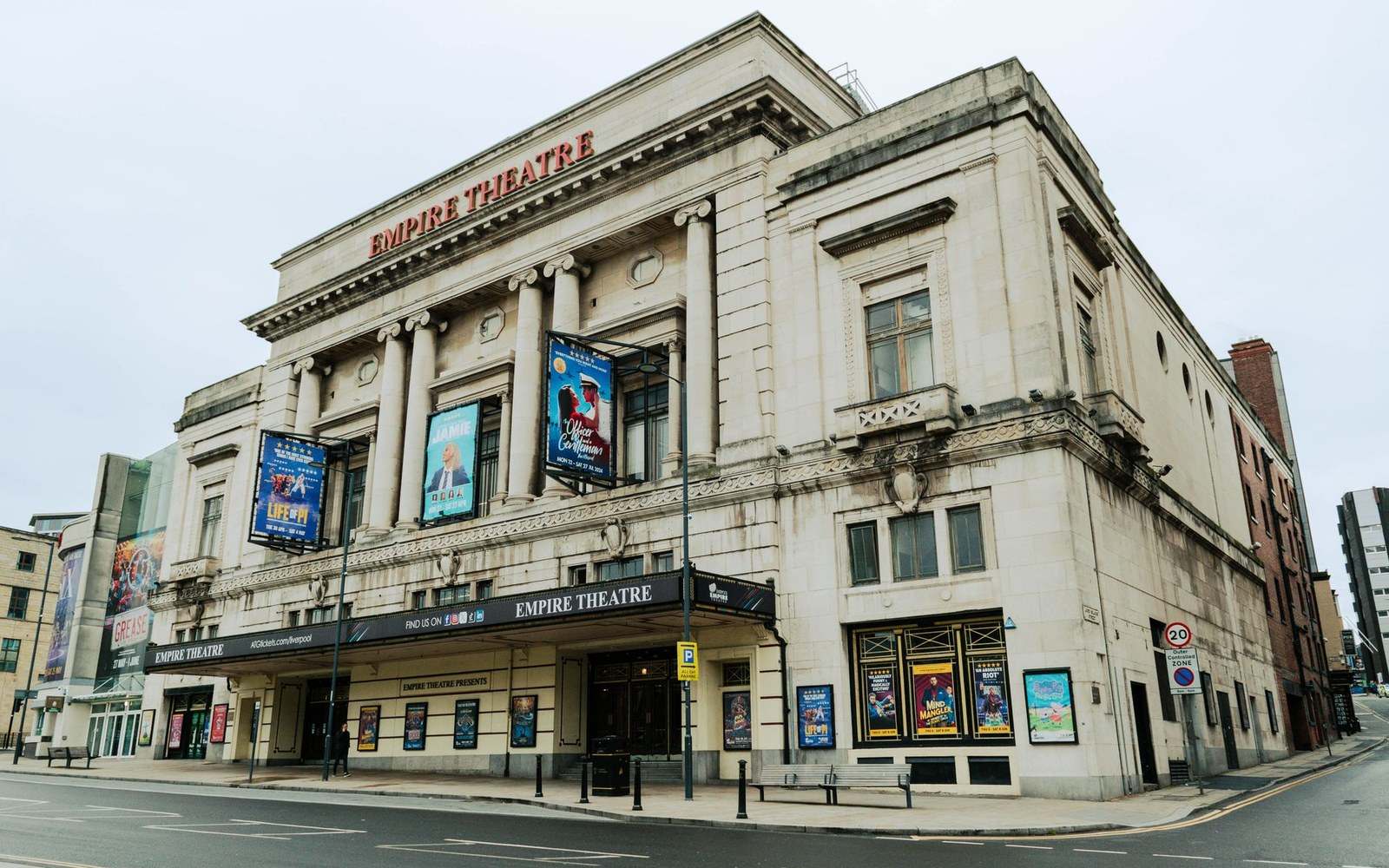
The championship arrived in Sheffield in 1977 and has not moved since.
Photo: Balázs Gábor / PexelsThe most specific public statement to date came from WST chairman Steve Dawson, who confirmed in 2023 that no decision on post-2027 hosting had been made, and that conversations were ongoing with Sheffield. Nothing more detailed has entered the public record since. What has entered the public record is a pattern of comparison with other properties — notably Alexandra Palace in London, which has been mentioned in press coverage, and the possibility of a purpose-built or significantly expanded arena in Sheffield itself — none of which has been confirmed as a serious negotiation.
The Economics of 980 Seats
Gate revenue at 980 seats, even at premium ticket prices, is modest by major-sport standards. A sell-out Crucible session at current prices generates tens of thousands of pounds; a sell-out session at a 5,000-seat arena would generate multiples of that. The economics matter because the World Championship's prize fund — £2.395 million in 2024, with the winner receiving £500,000 — is among the largest on the WST calendar, and the cost of staging a 17-day event in Sheffield is substantial. Broadcast rights, principally the BBC's long-running contract, contribute the larger share of the event's revenue. But as broadcast rights deals are renegotiated in an environment of streaming competition and fractured audiences, venue revenue becomes proportionally more important as a supplementary income stream.
There is also the question of appearance money. Non-ranking events at larger venues — the Saudi Arabia Snooker Masters being the current example — have demonstrated that sponsors with deep pockets and commercial ambitions can fund prize pools and appearance fees that the Crucible's model cannot match. The Saudi event, held in Riyadh, pays appearance money to invited players regardless of results, a structural feature that the World Championship, as a ranking event, does not replicate. Some within the sport argue that the Crucible's constraints make the world title comparatively undermonetised. Others argue that the scarcity of the venue is itself part of what makes the title worth having.
The BBC's relationship with the tournament is a separate thread. The corporation has broadcast every World Championship from the Crucible since 1977, and the association between the championship and the BBC's snooker coverage is now constitutive of both. Any move to a venue that altered the BBC's access, lighting requirements or production logistics would require negotiation that goes beyond a straightforward landlord change.
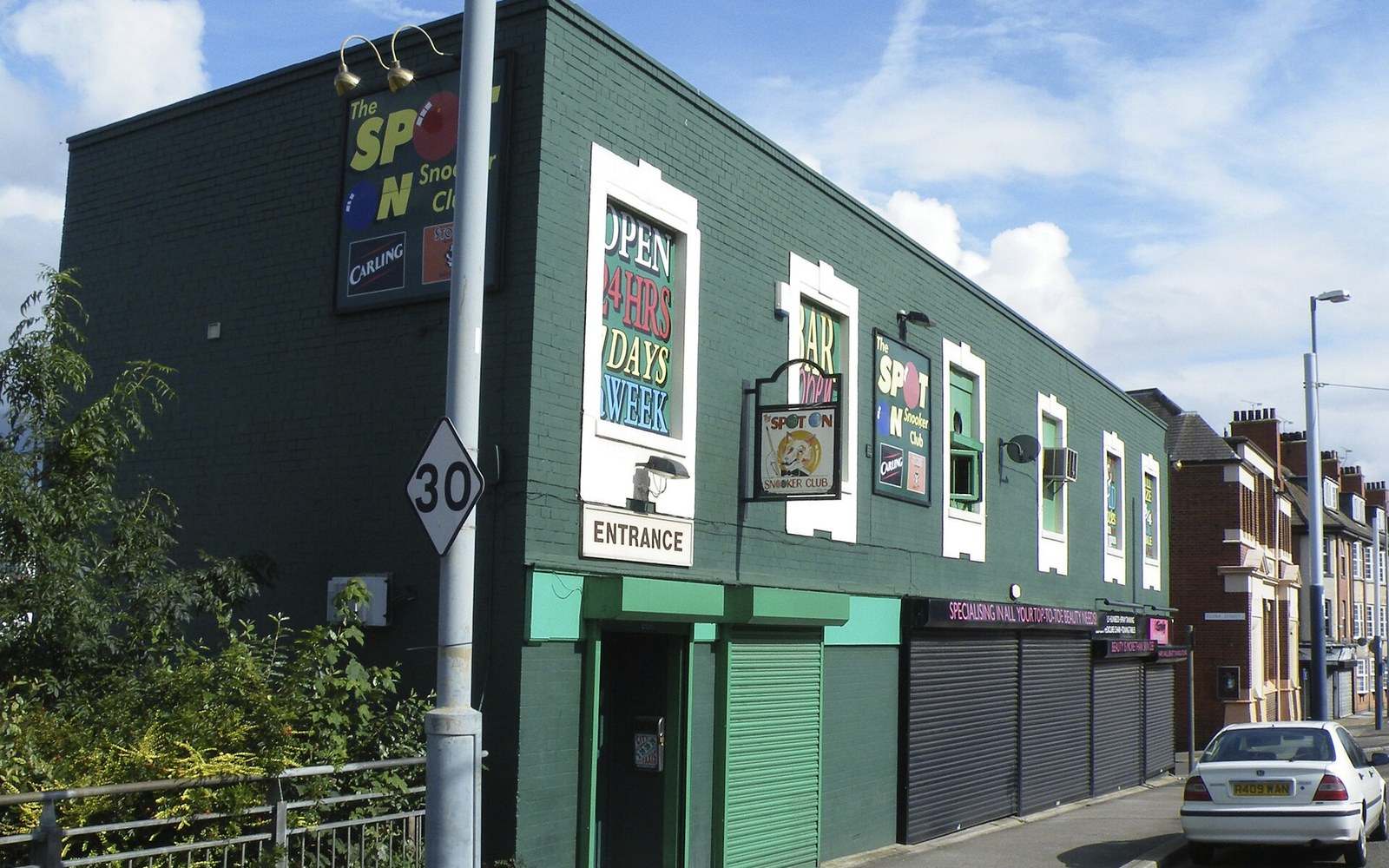
Sheffield's own snooker rooms are the constituency the council's public case is made on behalf of.
Photo: The Spot On Snooker Club, Infirmary Road, Sheffield - 2 - geograph.org.uk - 3767920 · Wikimedia CommonsThe Venue Argument as a Structural Problem
The difficulty is that the Crucible's constraints are not temporary. The building is a Grade II listed structure. Its architectural character — the thrust stage configuration, the curved seating banks, the proximity of the audience to the table — cannot be significantly altered without consent that Sheffield's planning and heritage authorities would be unlikely to grant. A renovation that preserved the character while increasing capacity by any meaningful margin has not been seriously proposed, let alone costed and approved.
The alternative, raised periodically, is a new purpose-built venue in Sheffield. Sheffield City Council has not committed funding to such a project. The city's recent infrastructure priorities, including the ongoing redevelopment of the broader Heart of the City commercial quarter, have absorbed capital attention without producing a snooker-specific venue proposal. If a new Sheffield arena were to be designed, commissioned, approved and built in time for a post-2027 championship, the timeline would need to have begun by now. It has not.
What this leaves is a negotiation whose contours are publicly legible but whose content remains private. The WST wants more seats or more money or both. Sheffield wants to keep the event. The Crucible is a listed building that cannot easily grow. And the championship's value — cultural, commercial, historical — is real enough that both parties have an incentive to reach agreement without publicly admitting how far apart they might be. The contract runs to 2027. The conversation has already started. Whether the words spoken in that conversation match the ones offered to journalists is, for the moment, the only genuine uncertainty in a situation that is otherwise structurally clear.