Judd Trump Spent Four Years at World Number One and the Conversation Moved Past Him
The ranking list confirmed his dominance for four years. It said less about what came next.
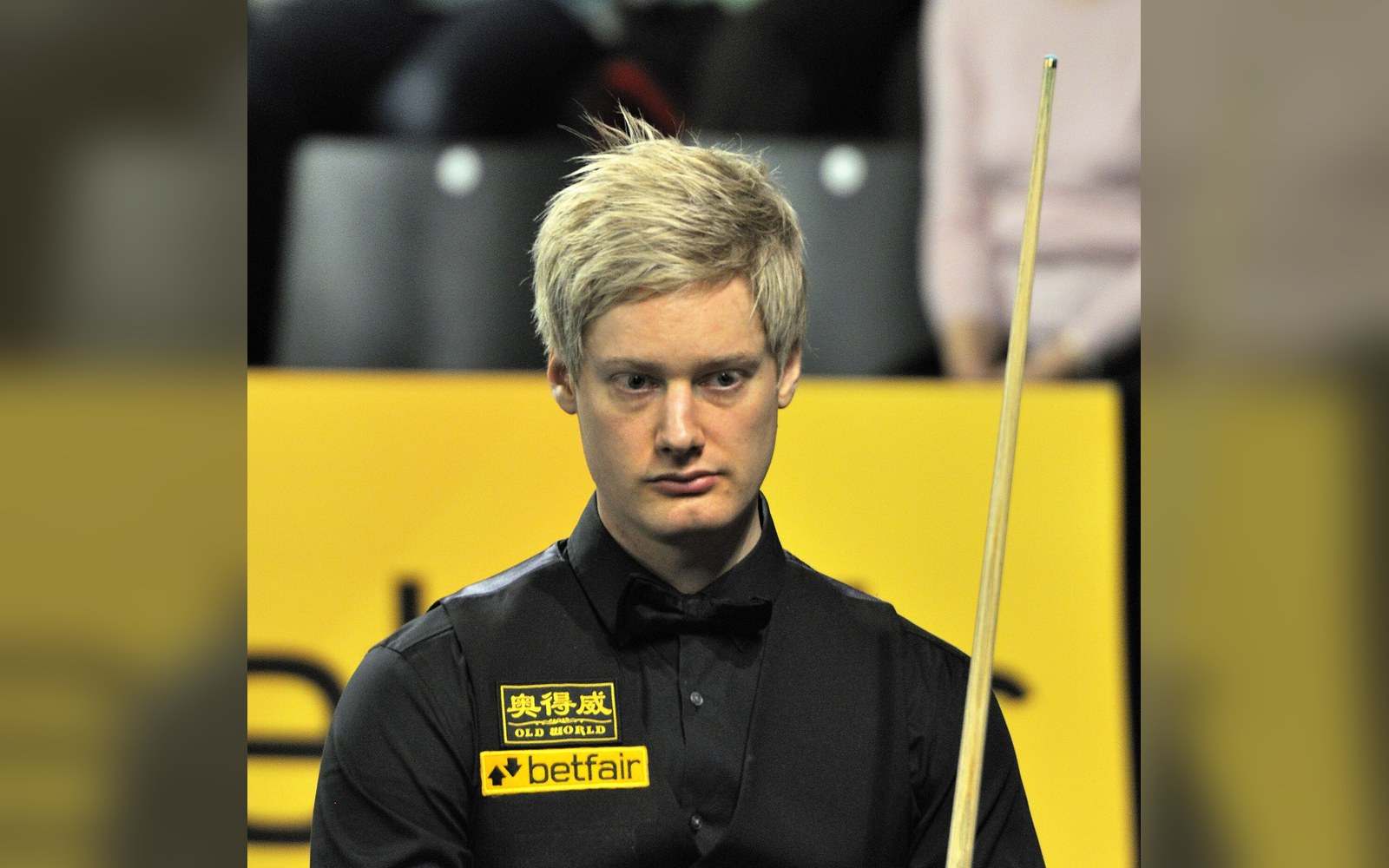
Four years at the top of the ranking list, and a conversation that moved on anyway.
Photo: Neil Robertson at Snooker German Masters (DerHexer) 2013-01-30 07 · Wikimedia CommonsThe Accumulation
Judd Trump won the 2019 World Championship with a performance so complete that it seemed to settle something. He beat John Higgins 18–9 in the final, compiled centuries throughout the tournament, and arrived at world number one shortly after. He would stay there, or close enough to it to matter, for the better part of four years. In that stretch he collected ranking events with a consistency no player in the sport had matched since Ronnie O'Sullivan's peak: seventeen ranking titles between 2019 and 2023, a figure that placed him in a category of his own among active players.
The ranking system rewards exactly what Trump does well. He is a high-break compiler in an era when the tour card system funnels 128 players into a format built for attrition — ranking points accumulate across multiple events in a calendar that, after Barry Hearn's Matchroom arrangement reshaped the tour from 2010, now runs for most of the year. Trump's ability to string centuries together across back-to-back weeks suited the structure. He was not simply winning; he was winning efficiently, across the widest possible front.
Frame scores mid-session.
Photo: Element5 Digital / PexelsWhat the Number Does Not Settle
And yet. The world number one ranking is not the same thing as the World Championship, and snooker's culture has always understood the difference. The Crucible produces one winner per year. Trump's 2019 title was his first and, as of the 2025 championship, his only one. He reached the final again in 2020, losing to O'Sullivan, and has been a perennial contender without adding to his Sheffield total. That is not unusual — Mark Selby won four titles while compiling a ranking record that placed him below Trump in sheer event volume — but it matters for the argument about eras.
The argument shifted sharply in May 2025 when Zhao Xintong won the World Championship four qualifying rounds in, having returned from a twenty-month ban. Zhao's win was read, quickly and loudly, as a passing of something: youth, spectacle, a new geography of the sport's talent. Whether that reading holds over time is a separate question, but it displaced Trump from the centre of the conversation at precisely the moment his ranking position had already begun to soften. The number one spot had moved back to O'Sullivan and then toward other challengers; Trump was still formidably ranked, still dangerous, but no longer the obvious answer to the question of who the sport belonged to next.
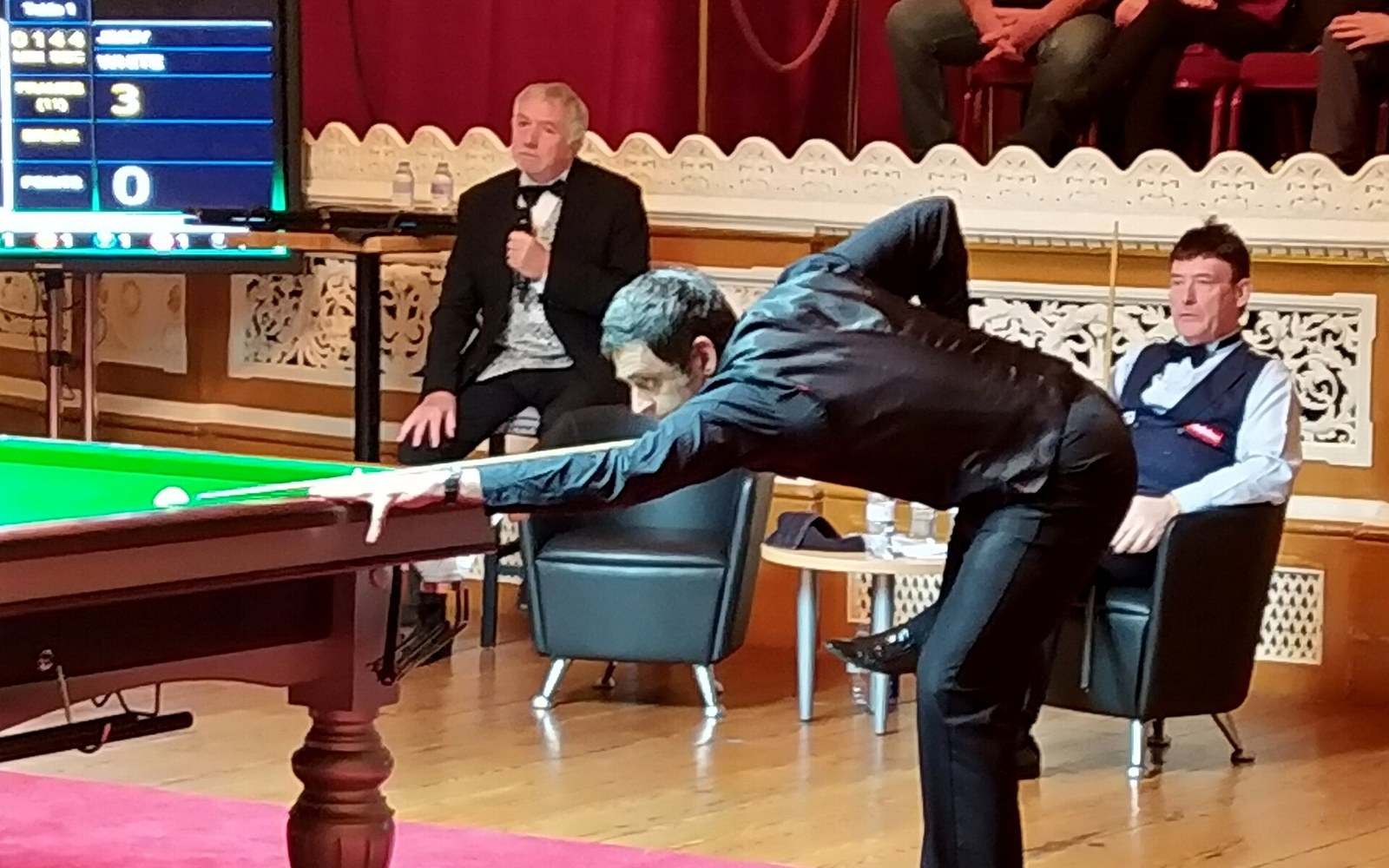
More competitive centuries than any player except O'Sullivan.
Photo: Ronnie O'Sullivan at the Merseyside Masters 2022 · Wikimedia CommonsWhat It Measured
The honest case for Trump's dominance is statistical and structural. No player of his generation compiled more ranking titles in less time. His break-building speed, his potting from distance, his willingness to play the tour's full schedule rather than cherry-pick prestige events — all of it was genuine and documented in results. The ranking list, as the WPBSA administers it, is a rolling two-year points total: it rewards presence and consistency, not single moments. By that measure, Trump's four years at or near the top represents one of the more complete periods of dominance the professional game has seen.
What it did not measure was the way cultural weight accumulates around a player. O'Sullivan carries his seven Crucible titles into every room. Zhao's 2025 win, contested at the end of a suspension that had written him off in some quarters, carried a story the ranking system cannot quantify. Trump's numbers are enormous. His narrative, through no particular fault of his own, arrived and then plateaued before the sport had finished asking its questions. He is thirty-five. The conversation has moved; he is still playing.