Sheffield Has Started Arguing for It in Public
The city has made its economic case; the WST has not yet made any case at all
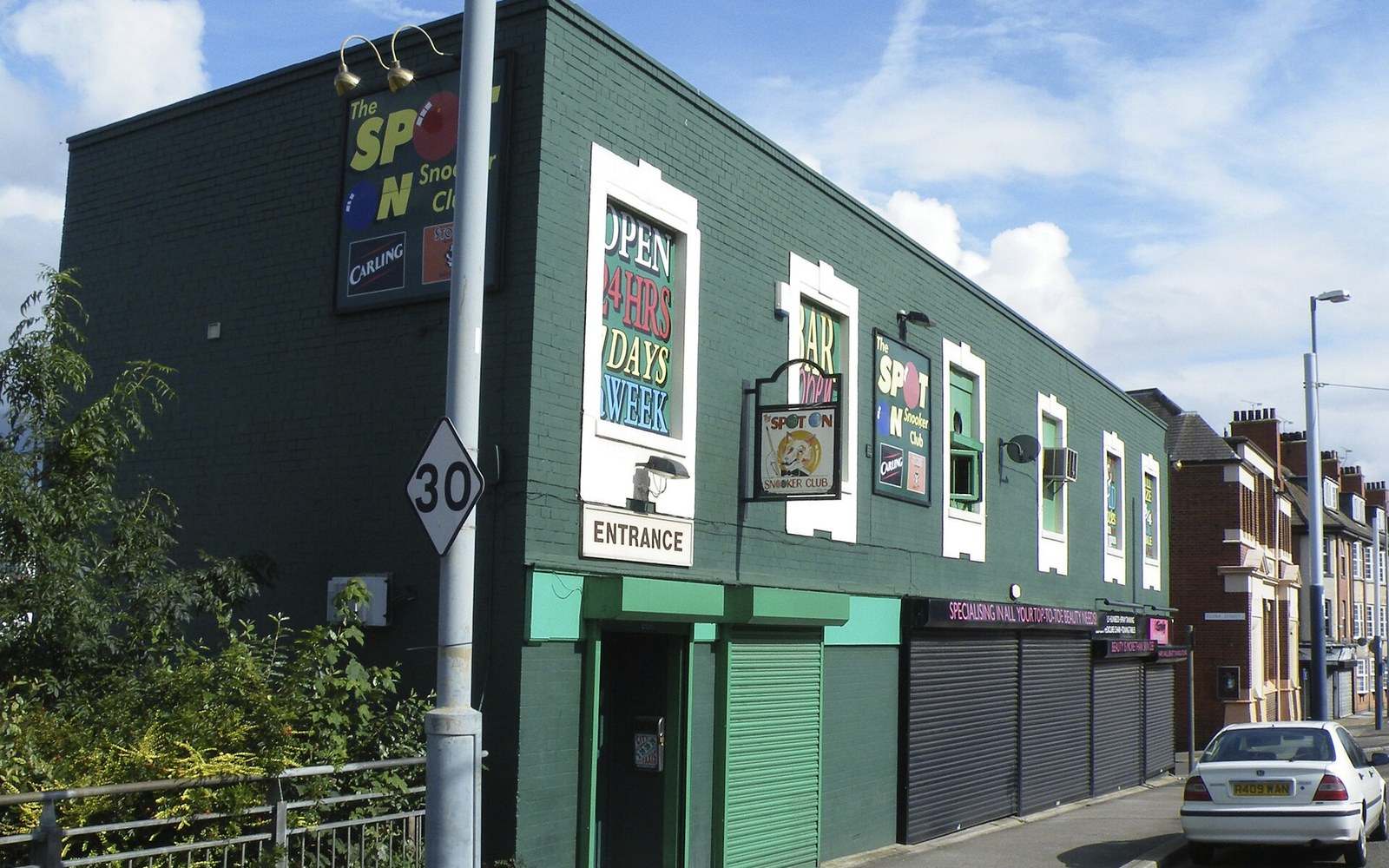
Sheffield's own snooker rooms are the constituency the council's public case is made on behalf of.
Photo: The Spot On Snooker Club, Infirmary Road, Sheffield - 2 - geograph.org.uk - 3767920 · Wikimedia CommonsThe Council Speaks; the Tour Stays Quiet
Sheffield City Council and Crucible management have been more forthcoming than World Snooker Tour about what happens to the World Championship after the contract runs out in 2027. Council representatives have spoken publicly about the venue's cultural and economic value to the city — citing the footfall generated across the seventeen days of the tournament, the hospitality spend in the city centre, and the national television audience that keeps Sheffield's name on the BBC's schedule every spring.
The Crucible's own management has pointed to the venue's unique configuration: 980 seats, a single auditorium, the intimacy that makes it unlike any other sporting theatre in professional snooker. These are arguments designed to make the WST's decision harder, not easier, to reverse. Sheffield knows that the moment the championship leaves, the city loses something that no other event can replace on equivalent terms.
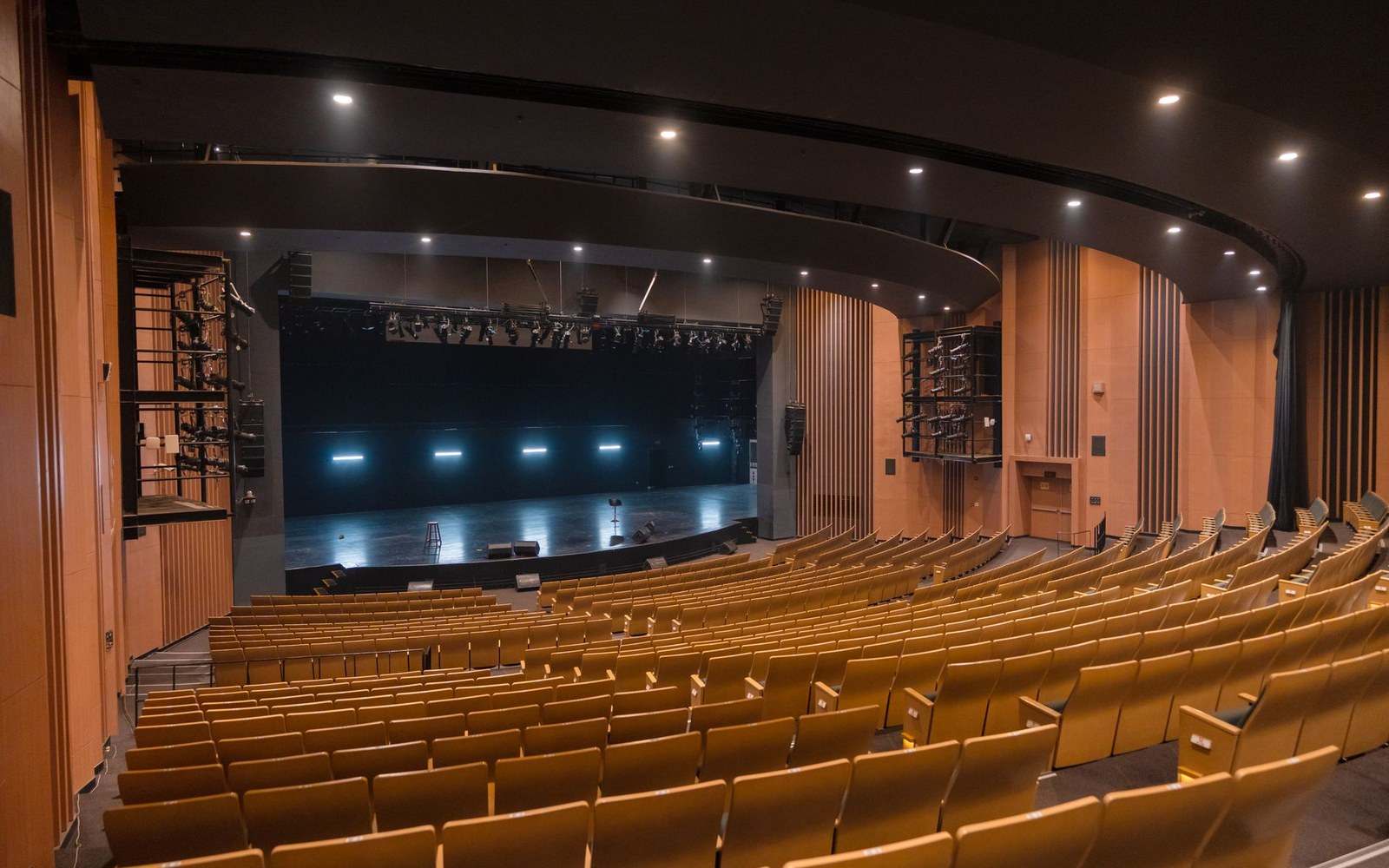
The smallest auditorium hosting a world final in any major sport.
Photo: Arto Suraj / Pexels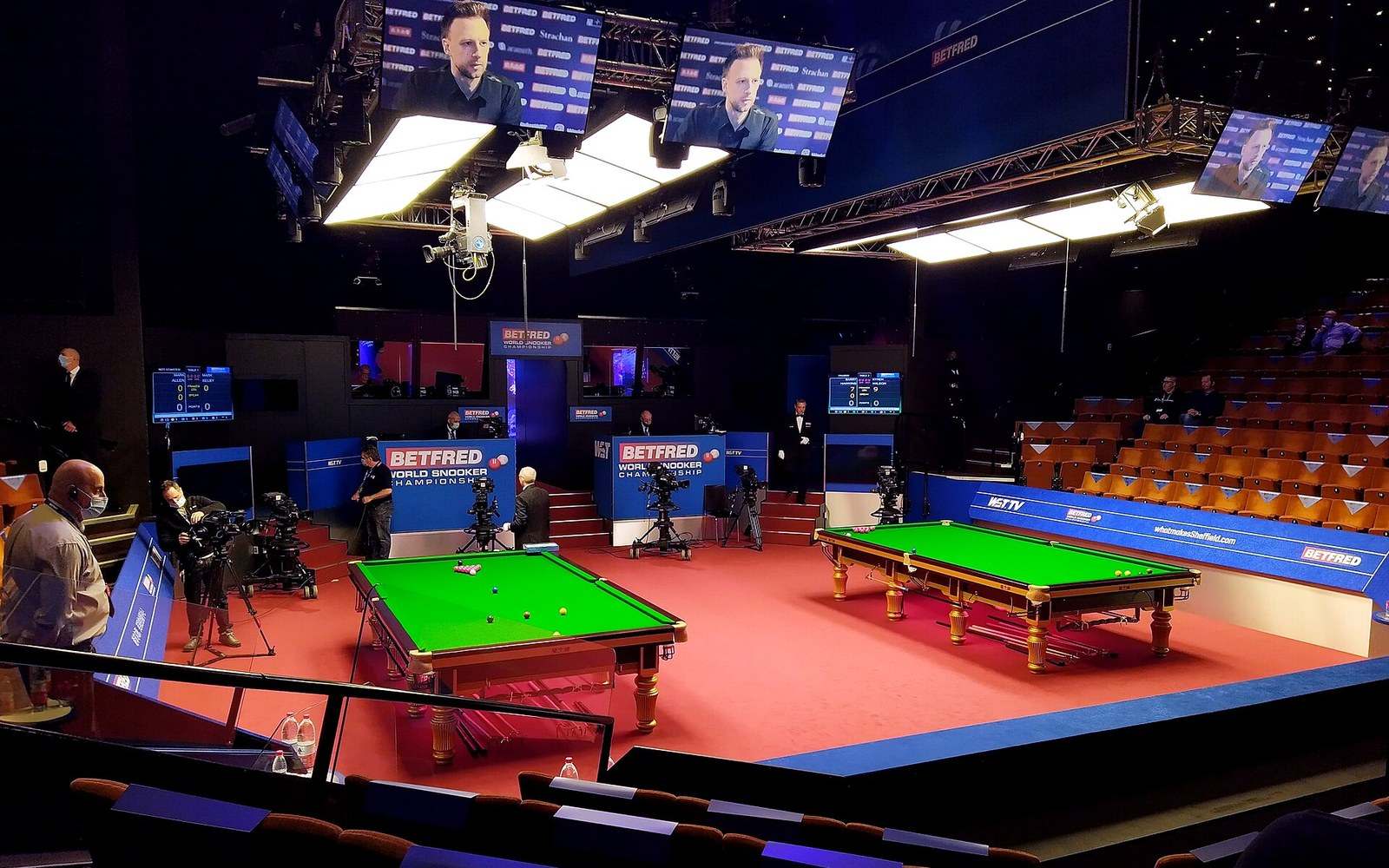
Two tables, a divider between them until the quarter-finals, and 980 seats around them.
Photo: 2021 World Snooker Championship table setup · Wikimedia CommonsWhat the city's public statements notably do not include is any confirmed figure for public subsidy or renovation commitment — the kind of concrete offer that would lock a deal into place. Sheffield City Council, like most metropolitan councils in England after successive years of central government spending reductions, has limited capital flexibility. The economic case is being made rhetorically, loudly and with genuine local conviction, but the structural underpinning of any long-term deal remains unannounced.
The WST's silence is a different kind of signal. Barry Hearn's Matchroom era transformed the tour's commercial ambitions, and the organisation that emerged from that period is one that has demonstrated it can stage events in Saudi Arabia, China and elsewhere. Sheffield cannot assume it is irreplaceable simply because the Crucible is irreplaceable. The city has started arguing for it in public precisely because it understands that silence from the other side of the table is not the same as a no — but it is not far off.