The Foul, the Miss, and the Free Ball — Three Rules That Change What Winning Looks Like
Three entries in the rulebook do more to shape professional outcomes than any other: the miss ruling, the free ball, and the foul itself — and each one rewards the player who forces the other to act.
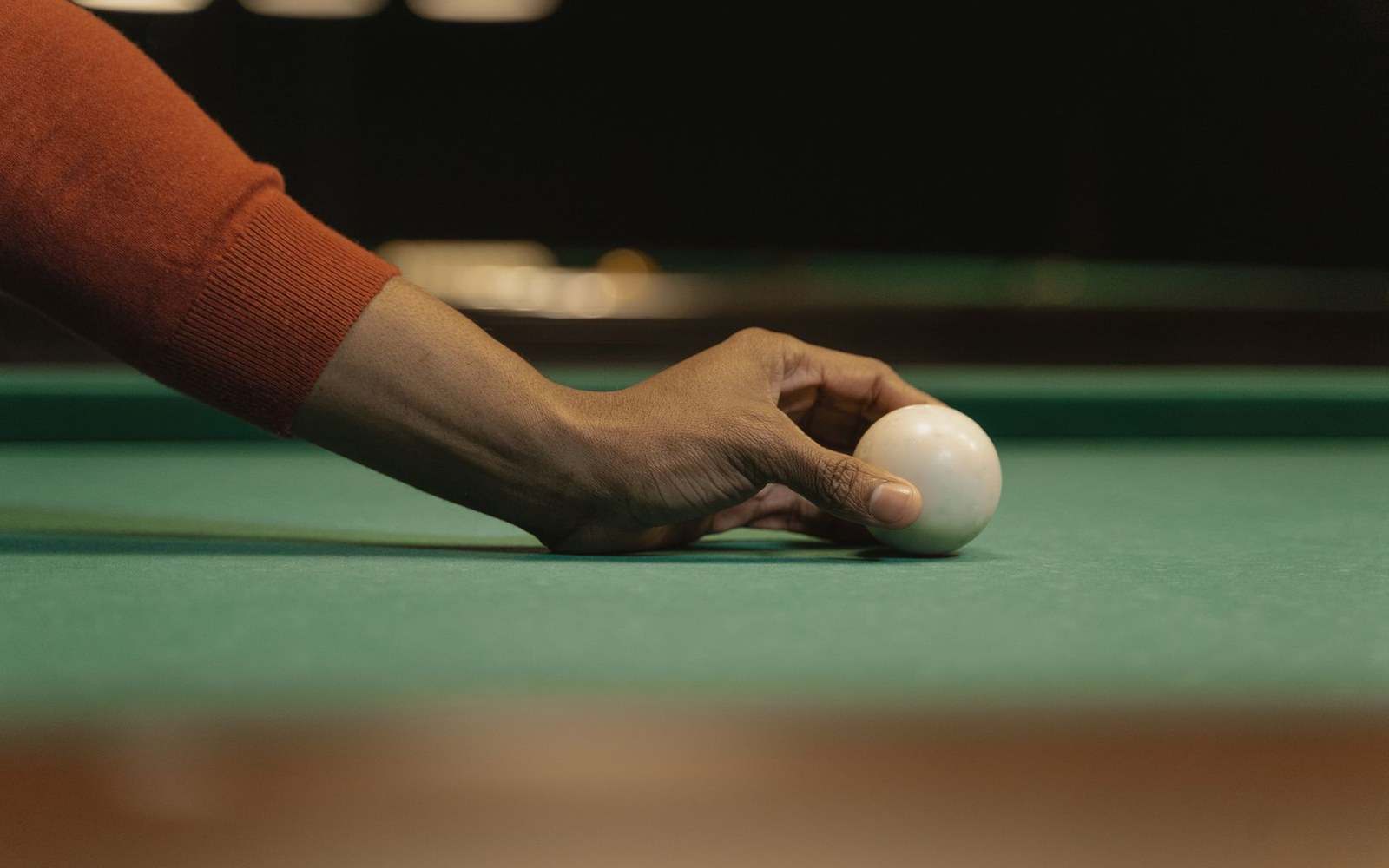
The referee calls the miss, and the miss is a tactic as much as it is a penalty.
Photo: Tima Miroshnichenko / PexelsThe Architecture of Pressure
A foul in snooker awards between four and seven points to the opponent — four as the minimum, rising to the value of the ball on if that ball is worth more. That much most followers understand. What the rulebook builds on top of it is where professional matches are actually decided.
The foul and a miss ruling, introduced in its current form to close an obvious loophole, requires that a player make a genuine attempt to hit the ball on. If the referee judges otherwise, the opponent may ask for the balls to be replaced and the shot replayed. This single clause converts the snooker — the position where the cue ball is obstructed by a ball not on — from a near-free escape into a loaded situation. A professional caught in a snooker cannot simply clip a cushion loosely and move on; a miss ruling may be called, the position reset, and the problem handed back. In high-stakes frames, the sequence can repeat. The replacement and replay loop effectively penalises passive avoidance, compelling genuine attempts whose failures hand the opponent a direct line or open the table.
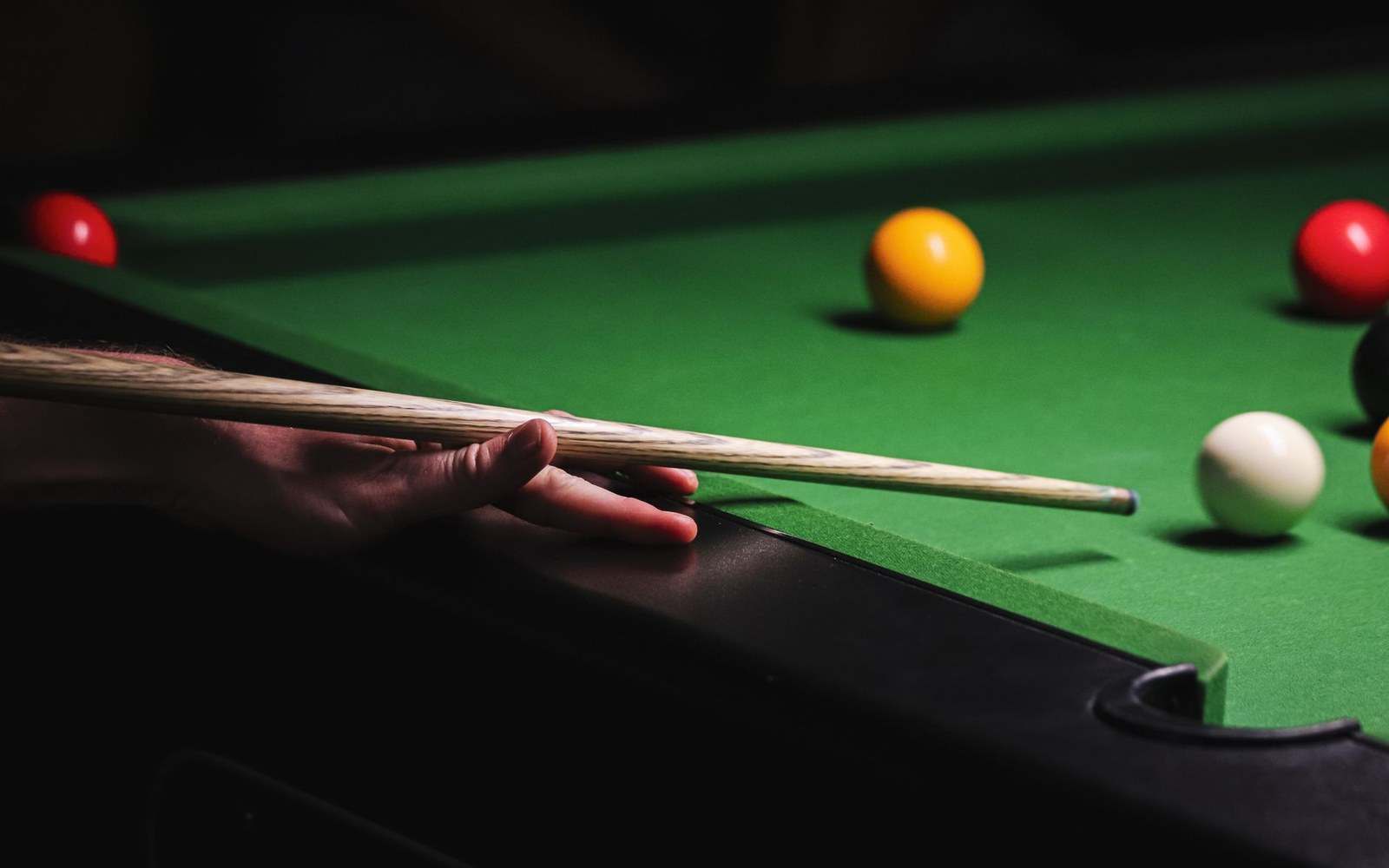
The bridge hand, where the shot is actually decided.
Photo: Boys in Bristol Photography / Pexels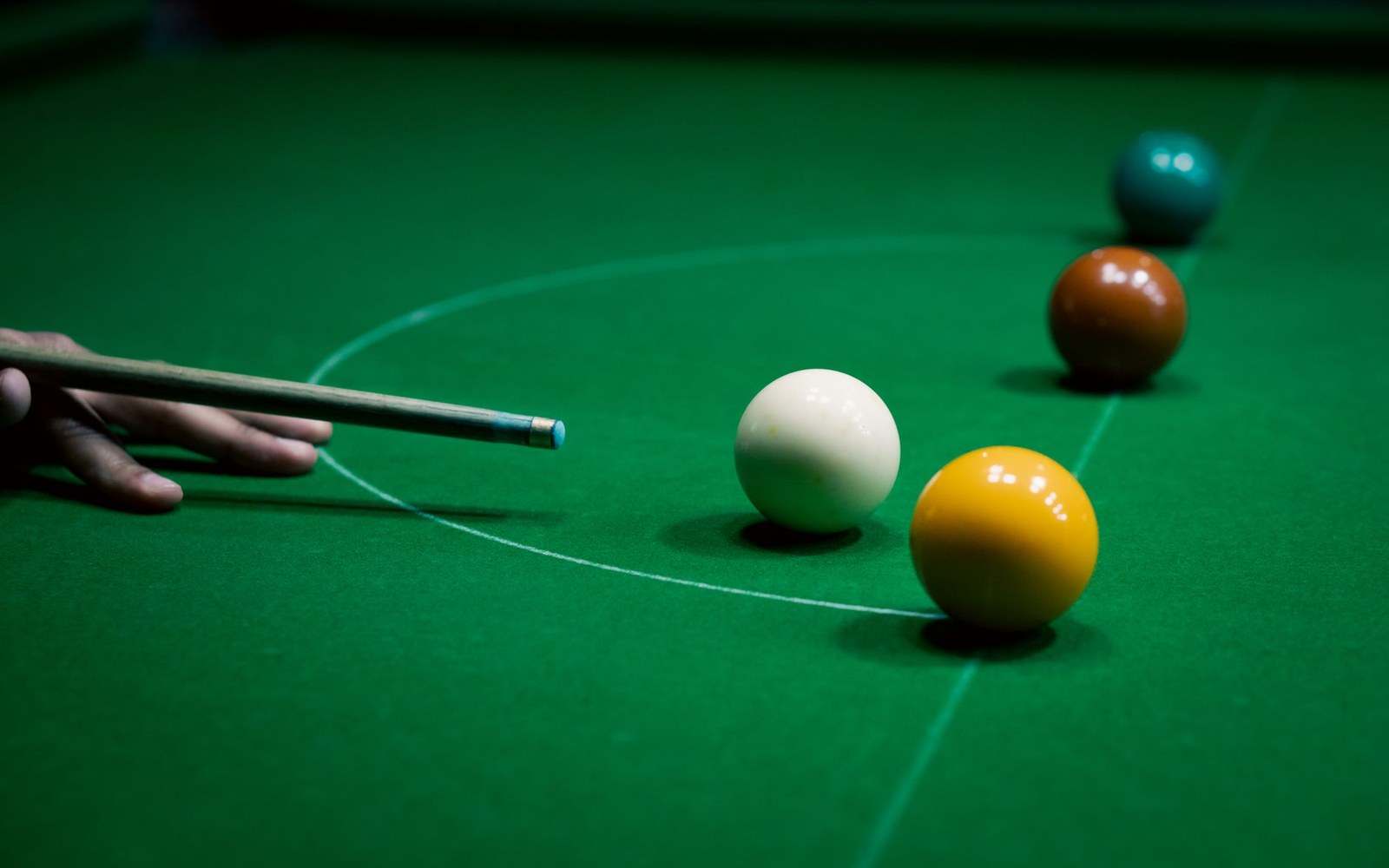
The tactical exchanges that decide most frames are the part television compresses.
Photo: Qamar Rehman / PexelsThe free ball rule operates at the far end of the same logic. When a player is snookered as a direct consequence of a foul, the rules of snooker provide that any ball on the table may be nominated as if it were the ball on. If a red is the ball on, the nominated ball carries a value of one; if potted, it sits on its spot and the next colour is available as normal. The free ball can therefore seed a break from a position where no legal shot existed — it is the rule's compensation mechanism for an escape that was not the fouled player's fault, and at the highest level it is a recognised scoring opportunity rather than a consolation.
The interaction between these three provisions defines the modern safety game. Playing a snooker is no longer simply a way to make life difficult; it carries the risk that a foul will give the opponent a free ball and a clean starting position. Getting snookered is no longer merely inconvenient; the miss rule removes the clean exit. Players at the Crucible do not safety-play to avoid losing the frame — they do it because the rulebook converts every poor decision by the opponent into a concrete points swing. The rules do not describe the sport's tactical layer; they are the tactical layer.